Speakers SmartForest 2026
SmartForest 2026 took place on the Technical University of Munich’s campus in Freising, at the Zentrum Wald-Forst-Holz Weihenstephan, on 12 and 13 March 2026.
On this page, you’ll learn more about the speakers who presented at SmartForest 2026.
You can find photos from SmartForest 2026 here.
More information about the conference programme is available here.

Keynote Speakers
Speakers
- Melanie Kirchhöfer
- Olaf Kocanda
- Dr. Benjamin Kowalski
- Anja Krauth, M.Eng.
- Nancy Lazecky
- Prof. Dr.-Ing. Andreas Ligocki
- Sonja Maas
- Simone Massaro
- Nina Meyer, M.A.
- Srilakshmi Nagarajan
- Dr. Kaori Otsu
- Stephan Philipp
- Prof. Dr. Thomas Purfürst
- Dr. Werner Rammer
- Stefan Reder Koithahn
- Martin Roth
- Prof. Dr. Andreas Rothe
KEYNOTE SPEAKER
Thomas Breunig
Freiburg Forestry Directorate
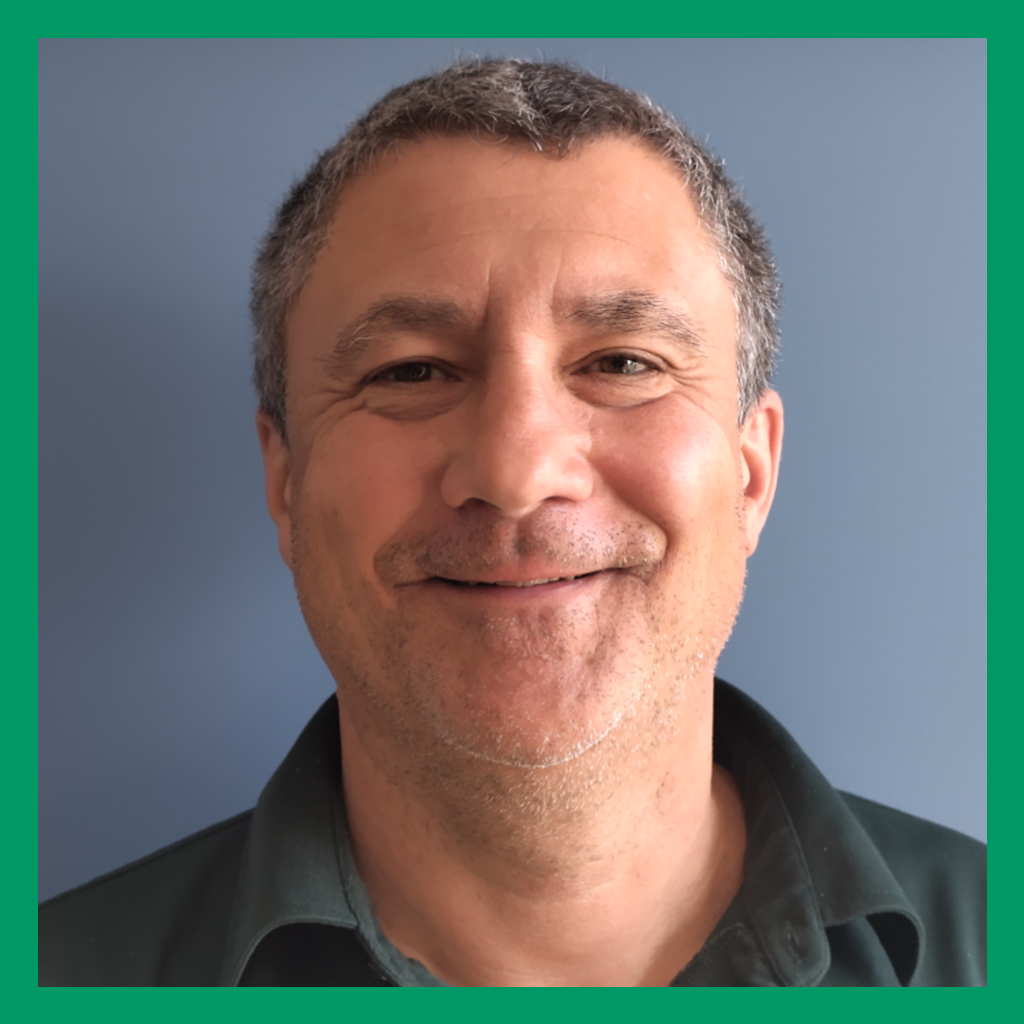
Presentation: „Kein technischer Wandel ohne sozialen Wandel. Warum Transformation nur gelingt, wenn wir die Menschen mitnehmen“
SPeaker bio
Thomas Breunig is a forester at the Freiburg Forestry Directorate.
He is part of the forestry team there and is the technical representative of the
Baden-Württemberg State Forestry Administration in the WWW 4.0 project.
KEYNOTE SPEAKER
Günther Bronner
Managing Director, Umweltdata GmbH
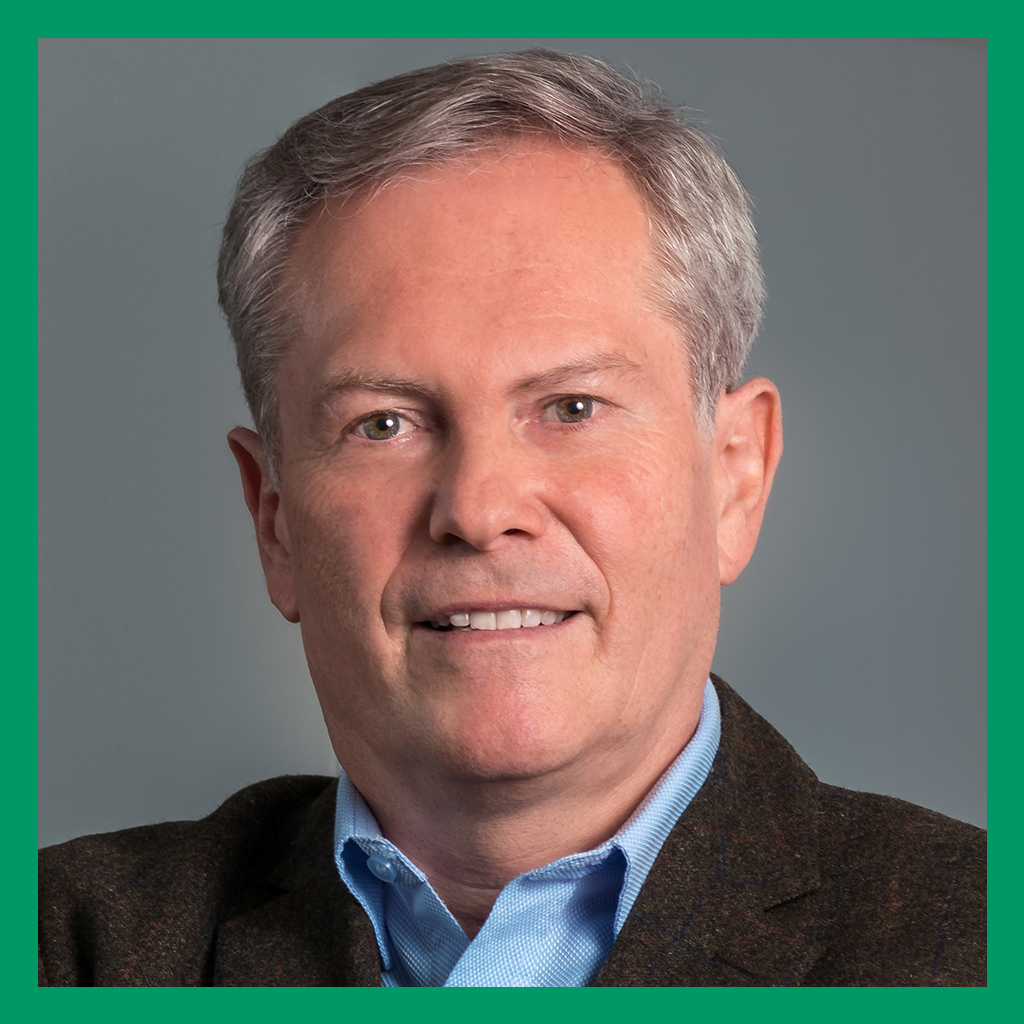
Presentation: „Digitaler Wald. Analoges Denken. Schluss mit den Kästchen!“
SPeaker bio
After studying forestry at BOKU Vienna, Günther worked for the Austrian Federal Forestry Office in the Department of Forest Management and Silviculture until 2000. There, he was responsible for the assessment of approximately 40,000 hectares, carried out boundary surveys, and headed the division for GIS and remote sensing since 1990. From 1995 onwards, he helped to establish international consulting and integrated GNSS applications into forestry processes at an early stage.
Since 2001, he has been managing director of Umweltdata GmbH, which specialises in sustainable monitoring, mapping, modelling and management solutions. Its main areas of focus include forest inventories, GIS services, and the use of modern technologies such as airborne laser scanning, terrestrial laser scanning, and SmartForestTools. He has led numerous R&D projects, including five as consortium leader.
He regularly speaks at international conferences, including SilviLaser and ForestSAT, and cooperates with leading partners from industry and research.
KEYNOTE SPEAKER
Stefano Puliti
Norwegian Institute of Bioeconomy Research (NIBIO)
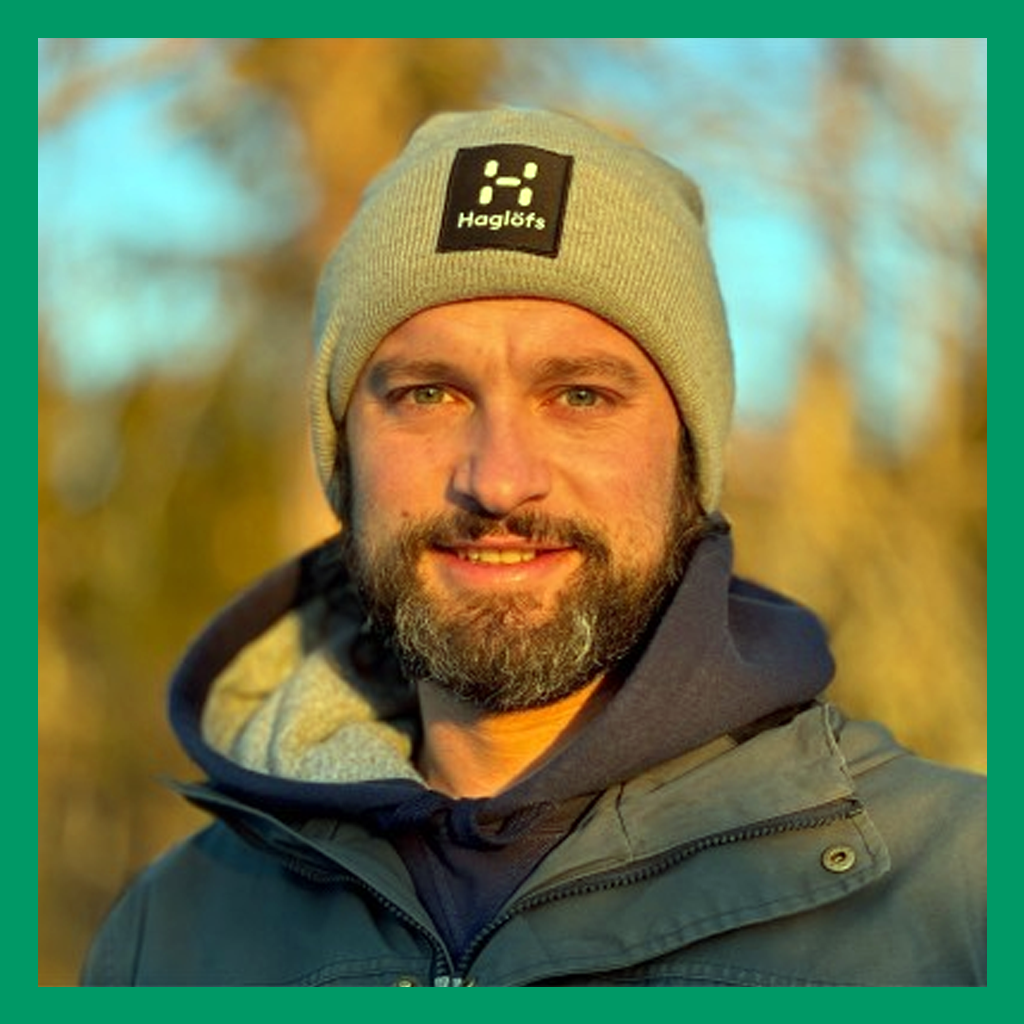
Presentation: „Rethinking Forest ecosystem understanding and management with 3D Artificial Intelligence“
SPeaker bio
Stefano Puliti is a researcher specialising in forest remote sensing and artificial intelligence, with a focus on advancing 3D computer vision for forest monitoring and management.
His work bridges cutting-edge AI methods and forest science, aiming to enable accurate, scalable, and automated forest analysis from terrestrial, aerial, and satellite data. Stefano has been instrumental in developing a new generation of deep learning models for 3D forest understanding, including ForestFormer3D, ForAInet, SegmentAnyTree, FOR-instance, and FOR-species, which push the boundaries of object detection, segmentation, and species classification in complex forest environments.
His research contributes to improving how forests are mapped, measured, and modelled, supporting sustainable forest management and climate change mitigation. Through interdisciplinary collaborations, Stefano continues to explore how AI can unlock new insights into forest structure, function, and dynamics.
KEYNOTE SPEAKER & PROGRAMME COMMITTEE MEMBER
Thorsten Reitz
wetransform GmbH, Darmstadt
Presentation: „The State of the Digital Ecosystem“
SPEAKER BIO
Thorsten Reitz is the founder of wetransform GmbH.
After studying computer science in media, he worked at Fraunhofer IGD from 2004 to 2012 as a research assistant and later as head of department. Through this work, he gained broad knowledge of INSPIRE and other geodata standards. He is also the “father” and first developer of hale»studio.
From 2012 to 2015, he was Head of Product Engineering at the Esri R&D Centre Zurich. He continues to do research on interoperability, data ecosystems and data infrastructures.
In 2015, he and Simon Templer founded wetransform GmbH, with the mission of making geospatial and environmental data accessible and useful. His personal mission is making open digital ecosystems work – and to create the technical and organisational structures required for that.
KEYNOTE SPEAKER
PD Dr. Tobias Schlechtriemen
Institute of Sociology, Albert-Ludwigs-University Freiburg
Presentation: „Kein technischer Wandel ohne sozialen Wandel. Warum Transformation nur gelingt, wenn wir die Menschen mitnehmen“
SPeaker bio
PD Dr Tobias Schlechtriemen is a lecturer at the Institute of Sociology at the University of Freiburg.
His research focuses on topics such as the social debate around Artificial Intelligence, sustainability research and the study of transformation processes.
Since 2024, he has been leading the research project ‘Wissen über den Wald im Wandel (WWW 4.0)’, in which the Department of Computer Science at the University of Freiburg, the Freiburg Forestry Directorate, and the Forest Research Institute BW are involved.
KEYNOTE SPEAKER
Prof. Dr. Cornelius Senf
School of Life Sciences, Weihenstephan
Presentation: „Earth observation for European forest monitoring: what has been achieved and where are we heading?“
SPeaker bio
Cornelius Senf studied geography and physics at the University of Innsbruck, Humboldt University in Berlin, and the University of Bern. He earned his doctorate at Humboldt University in Berlin with a thesis on the analysis of insect outbreaks using Landsat satellite data, in collaboration with the Canadian Forest Service.
After his postdoc at the University of Natural Resources and Life Sciences in Vienna, he habilitated at the Technical University of Munich in the field of Earth observation and has been head of the Chair of Earth Observation at the School of Life Sciences in Weihenstephan since 2024. His research is at the interface between Earth observation and ecology, with a focus on developing new approaches to monitoring ecosystems in the context of climate change and changing land use.
SPEAKER
Lado Basilidze
Free University of Bozen-Bolzano

Presentation: „Scenario-based modelling of climate change impacts and adaptive management pathways in the dry montane forests of Aspindza, Georgia“
Speaker Bio
Lado Basilidze is a PhD candidate at the Free University of Bozen-Bolzano since 2024, where he is conducting research in forest modelling and sustainable forest management.
He obtained his Master’s degree in Forestry from the Agricultural University of Georgia in 2017, with a specialization in multifunctional forest management. Since 2016, he has been affiliated with the V. Gulisashvili Forest Institute as a forest researcher, where he continues to contribute to applied research and policy-relevant studies. He has more than 10 years of professional experience in the forestry sector, with a strong focus on sustainable and close-to-nature forest management in Georgia and beyond.
He possesses solid theoretical knowledge combined with extensive technical expertise in forest management, restoration, and ecosystem conservation. Throughout his career, he has been actively involved in numerous national, regional, and international scientific and development projects and has contributed to practical publications, technical reports, and scientific articles.
SPEAKER
Péter Benedek
CEO, Rockwood Digital Europe
Presentation: „Digital forestry without the jargon: how data actually helps decisions“
Speaker Bio
Péter Benedek is CEO of Rockwood Digital Europe (RDE), a Netherlands-based consulting and innovation company focused on digital trust, identity, and data governance. At the SmartForest conference, he will talk about SAGE, one of RDE’s European collaboration projects in the forestry domain, showing, without the jargon, how well-governed, interoperable data can actually support better decisions by improving trusted access and reuse across organisations.
Péter brings 20+ years of leadership across finance and enterprise technology. He spent 16 years at IBM in Hungary and Central/Eastern Europe, including regional leadership and as Country Leader of IBM Hungary. He later served as CEO of the Blockchain Competence Center, driving multi-party collaboration and trusted technology adoption. He studied accounting and business in Budapest, completed legal studies at Eötvös Loránd University, and attended INSEAD executive education in strategy and leadership.
SPEAKER & PROGRAMME COMMITTEE MEMBER
Dr. Mirela Beloiu Schwenke
Environmental Systems Science, ETH Zürich
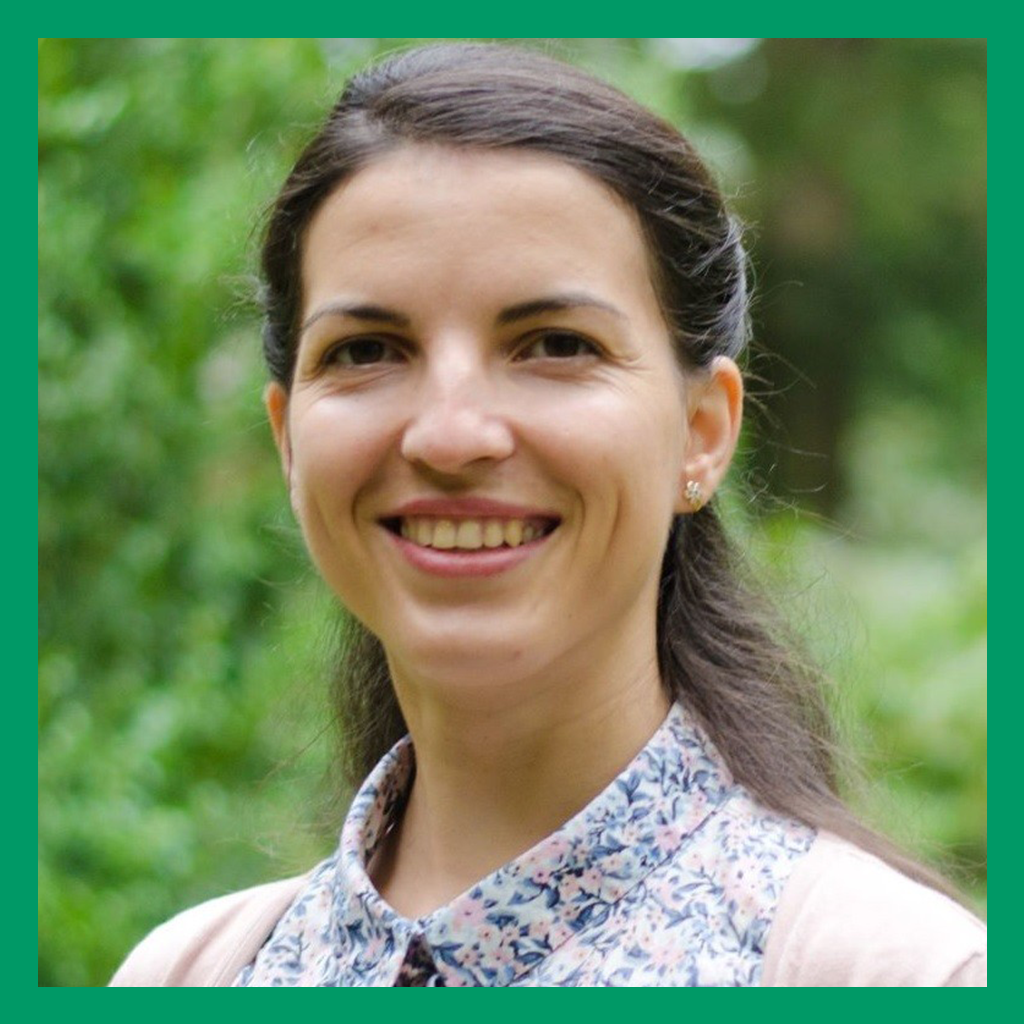
Presentation: „Bridging remote sensing and modelling: Benchmark data for future forests“
Speaker Bio
Dr. Mirela Beloiu Schwenke is an established researcher at ETH Zürich in the Department of Environmental Systems Science, working at the intersection of forest ecology, remote sensing, and climate warming.
She earned her Ph.D. from Bayreuth University, where she focused on the impacts of climate warming on forest regeneration. Dr. Beloiu Schwenke leads multiple projects on tree species health assessment, including the TreeAI Global Initiative, a groundbreaking effort to assess tree species diversity using artificial intelligence.
SPEAKER
Dr. Colin Bloom
Swiss Federal Institute for Forest, Snow and Landscape Research (WSL)

Presentation: „Operationalizing Machine Learning Based Early Leaf Discoloration Monitoring in Switzerland’s European Beech Forests“
speaker bio
Since late 2023, Dr. Colin Bloom has been a Postdoctoral researcher in the Forest Resources and Management GIS group at the Swiss Federal Institute for Forest, Snow and Landscape Research (WSL), where he investigates the spatial dynamics of forest responses to environmental stressors using a combination of field observations, remote sensing, and spatial modelling.
Prior to WSL, Dr. Bloom was a postdoctoral research associate in natural hazards modelling at the University of Canterbury in New Zealand and a natural hazards field geologist in the United States. His interdisciplinary research interests span a broad range of geospatial challenges relevant to resource management, including the development of active monitoring systems and spatial decision support tools to assess and mitigate environmental risks under changing climatic conditions.
SPEAKER
Peter Borrmann
German Federal Agency for Cartography and Geodesy

Presentation: „Der Digitale Zwilling Deutschland – Aktuelle Entwicklungen und Perspektiven für forstliche Anwendungen“
speaker bio
Peter Borrmann is a research assistant in the Digital Twins Division at the Federal Agency for Cartography and Geodesy.
His focus is on developing and testing methods for deriving subject-specific data sets from airborne LiDAR data. In addition, as part of the Digital Twin Germany (DigiZ-DE) project, he is working with cooperation partners from the federal administration to develop use cases, including several related to forestry.
SPEAKER
Dr. Sarah Brandt
Fraunhofer IESE

Presentation: „Ein Digitaler Zwilling des Waldes als Werkzeug zur Simulation von Baumstress und zur Überbrückung der Lücke zwischen Forstwissenschaft und Praxis“
speaker bio
Dr Sarah Brandt has been working as a Smart City Engineer at the Fraunhofer Institute for Experimental Software Engineering IESE since 2022. In the Smart City Design department, she is dedicated to researching and developing intelligent software systems and developing strategies for smart cities. She is an expert in digital twins in smart cities and the use of artificial intelligence (AI) to optimise urban processes.
Her work focuses on sustainable and future-oriented urban planning, supported by interdisciplinary research in the field of intelligent software systems.
She previously earned her doctorate at Yamagata University in Japan in the field of regional resources and environmental management with a focus on deep learning. She began her academic career at Leibniz University Hannover, where she studied geosciences as well as water and environmental sciences. With her diverse academic and professional background, Dr Sarah Brandt enriches the team with comprehensive expertise and interdisciplinary perspectives, helping to drive innovative solutions in a wide range of areas of smart city development.
SPEAKER
Josafat-Mattias Burmeister
University of Potsdam

Presentation: “treeX: Unsupervised Tree Instance Segmentation in Dense Forest Point Clouds”
speaker bio
Josafat-Mattias Burmeister is a research assistant at the Computer Graphics Systems group at the University of Potsdam. As part of the “TreeDigitalTwins” project, he develops deep learning methods to automatically analyze high-resolution remote sensing data of forests.
His current research focuses on improving methods for tree instance segmentation and tree species classification based on 3D point clouds and image data from terrestrial and UAV-borne scanning. Josafat-Mattias Burmeister studied biology at the University of Greifswald and IT-systems engineering at the Hasso Plattner Institute at the University of Potsdam.
SPEAKER
Moritz Camenzind
Bavarian State Institute of Forestry
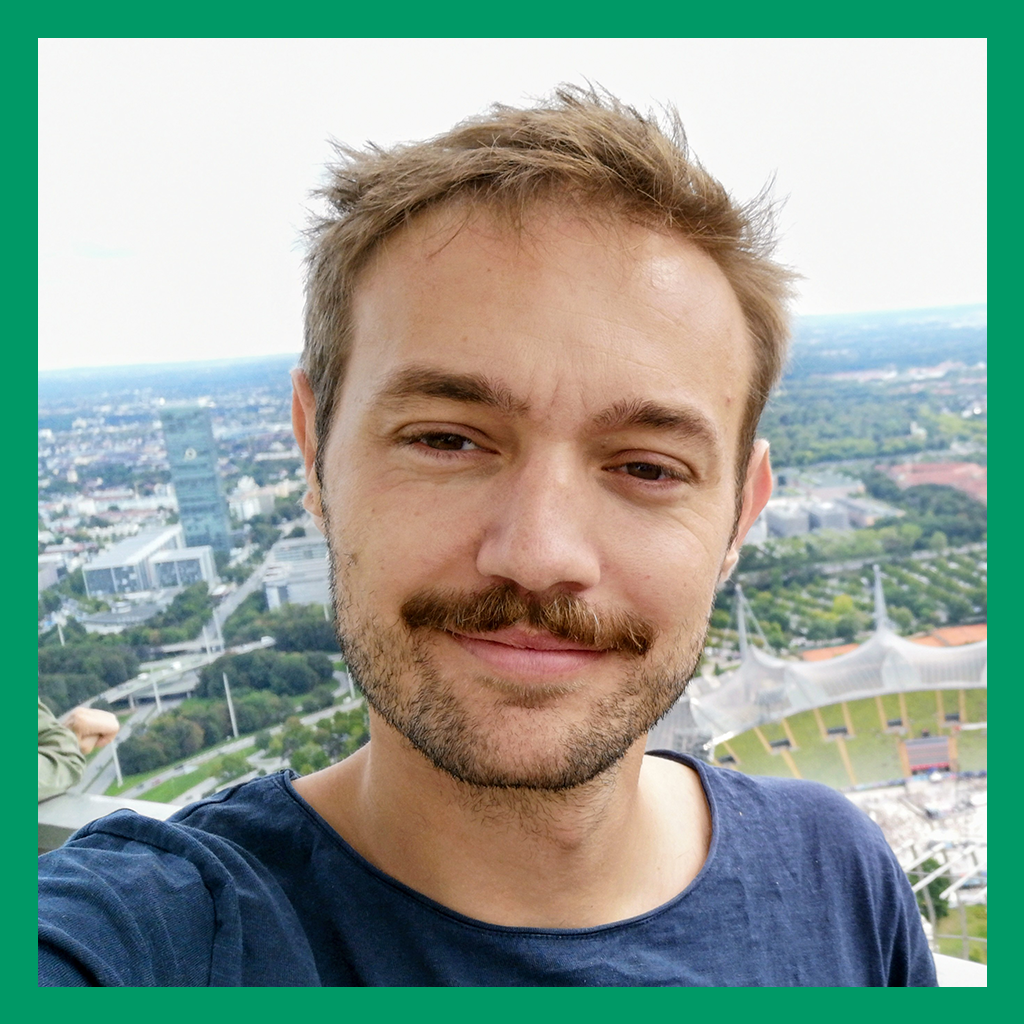
Presentation: „Raytracing statt Orthomosaik: Ein innovativer Ansatz zum KI-gestützten Verjüngungsmonitoring im Schutzwald“
Speaker bio
Moritz Camenzind has been a project specialist at the Bavarian State Institute of Forestry (Bayerische Landesanstalt für Wald und Forstwirtschaft) in the Department of Silviculture, Forest Growth, Inventories since 2024.
He began his professional career in plant breeding in the private sector, where he gained valuable experience in the development and optimisation of new plant varieties. He then moved to the Technical University of Munich, where he is pursuing a PhD in the field of precision agriculture. His research there focuses on the use of remote sensing technologies—particularly drones—to analyse plant traits and improve yield predictions in agriculture.
His second research focus lies in forest and forestry sciences. In this context, he works on the SANDRO project, which addresses the drone-based assessment of forest structures. High-resolution UAV-based imaging techniques are employed to analyse relevant vegetation parameters and make them usable for forest planning.
SPEAKER
Jakob Danel
EFTAS GmbH, Münster

Presentation: „Multimodal Deep Learning for Individual Tree Crown Segmentation“
Speaker bio
Jakob Danel is a geospatial data scientist at EFTAS GmbH in Münster, where he works on the development of remote sensing-based solutions for environmental and forestry applications. As part of the Master’s program in Geoinformatics and Spatial Data Science at the University of Münster, his master’s thesis focused on the integration of multi-modal remote sensing datasets using deep learning methods, with a particular emphasis on individual tree crown segmentation.
In his professional role at EFTAS, Jakob applies these and related approaches to large-scale, real-world datasets and contributes to the transfer of research-driven methods into robust and scalable workflows for forest remote sensing and inventory. He is particularly interested in transforming complex remote sensing data into actionable information for forest managers and owners.
SPEAKER
Ludwig Douglas
CEO TimberTom GmbH / TimberData / DekaData GmbH / Douglas KG (Forstverwaltung)
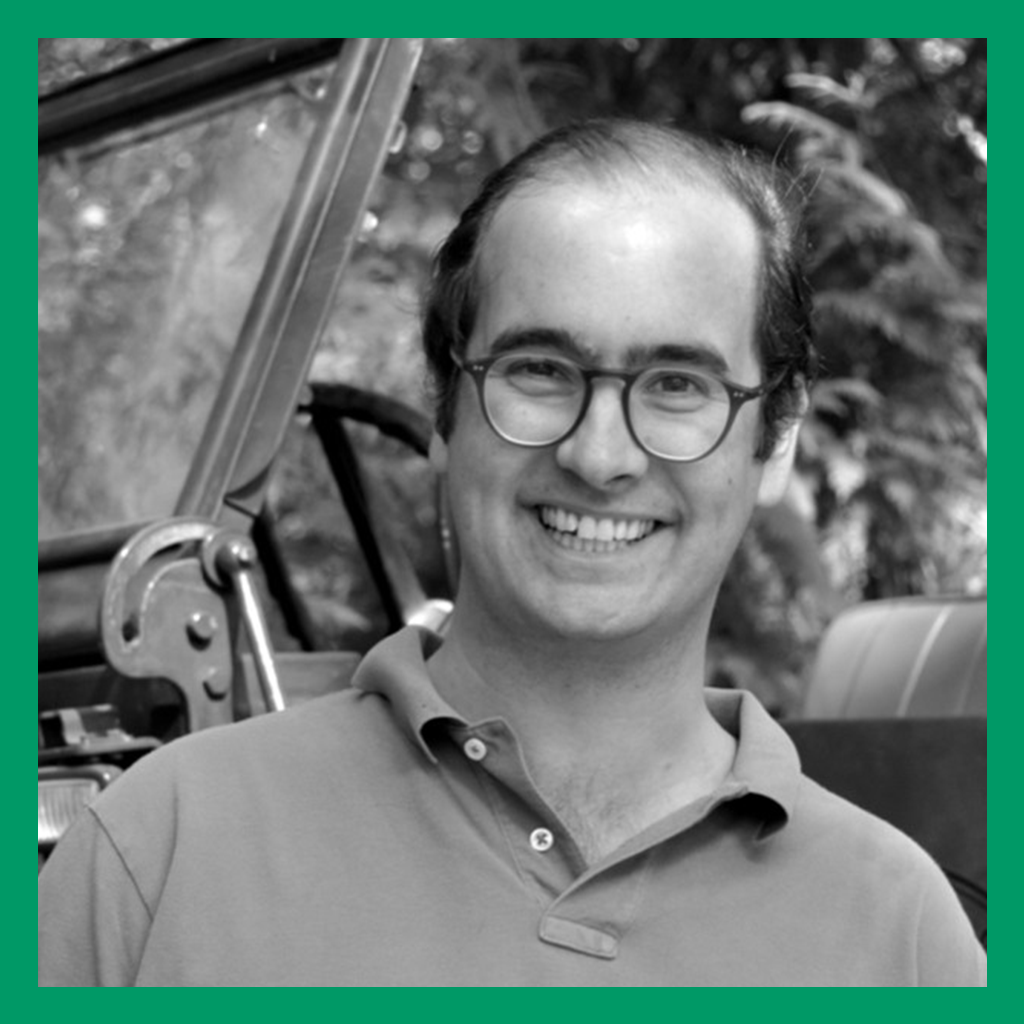
Presentation: „Digitalisierung als Schlüssel zum Betriebsoptimum – Praxiserfahrungen eines Forstbetriebs und Software-Entwicklers“
Speaker Bio
Ludwig Douglas manages his own forestry business and is testing digitalization in practice there.
As the founder of TimberData and TimberTom, he and his team are developing the first fully integrated, cloud-based ERP system and a marketplace for the forestry industry to make the sector fit for the future.
SPEAKER
Dr. Ina Ehrhardt
Fraunhofer Institute for Factory Operation and Automation IFF

Presentation: “KI-SOIL: Aktuelle Erkenntnisse zur automatisierten Ableitung von Bodeneigenschaften im Wald mittels KI-gestützter Bildanalyse”
speaker bio
Dr. Ina Ehrhardt lead manages research and development activities at the Fraunhofer Institute for Factory Operation and Automation IFF in Magdeburg on the structure and organization of biobased value chains.
Her work is concentrated on sustainable resource supply and resource-efficient production and logistics processes. Special technical and digital solutions help the forestry and timber industries with monitoring, planning, control and forecasting. Specific projects bring together expertise in logistics and IT, automation, sensor systems and machine learning from Fraunhofer IFF’s different departments.
Dr. Ehrhardt earned a Diplom degree in computer science from the University of Magdeburg and a doctorate in safety engineering from the University of Wuppertal. After two years as deputy manager of the IT unit at Saxony-Anhalt State Chancellery, she started at Fraunhofer Institute for Factory Operation and Automation IFF in March 2003, where she has acquired years of experience and field expertise in projects for the forestry and timber industries.
SPEAKER
Philipp Eisnecker
Forstlichen Versuchs- und Forschungsanstalt Baden-Württemberg (FVA)
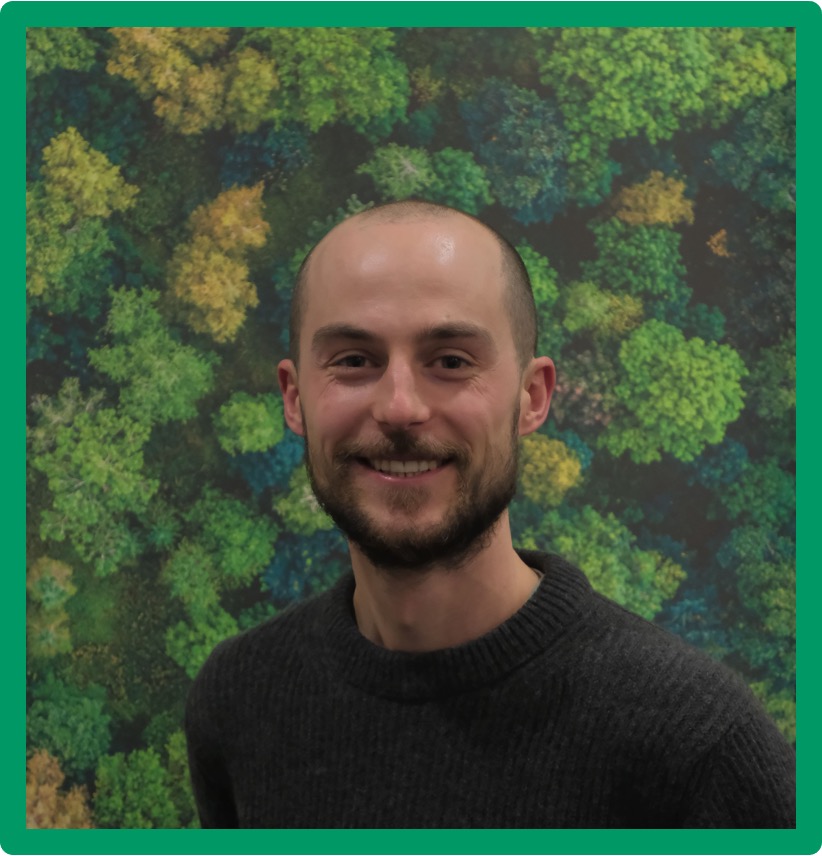
Presentation: “Post-Processing-Korrektur von Holzvorratskarten mittels Small Area Estimation”
speaker bio
Philipp Eisnecker is a research associate at the Forest Research Institute Baden-Württemberg (FVA) in the Remote Sensing department. As part of the project VorratAktuell, he develops updatable, statewide timber volume maps by model-based integration of forest inventory and remote sensing data.
His work focuses on the analysis and evaluation of input data to optimize timber volume modeling. In addition, he works on small-scale UAV surveys, the application of statistical methods such as small area estimation, and improving the integration of ground-based and remote sensing data.
SPEAKER
Aikio Erhardt
Technical University of Munich

Presentation: “A New Look Beneath the Canopy — large-scale assessment of patterns and drivers of understory structure in and around Central European protected forests.”
speaker bio
Aikio Erhardt is a PhD student at the Chair of Ecosystem Dynamics and Forest Management in Mountain Regions at the Technical University of Munich. He studied forest sciences at the University of Freiburg, including a study period in Joensuu at the University of Eastern Finland, and completed a dual master’s degree jointly awarded by the University of Freiburg and the University of Alberta, where he gained experience across different forest ecosystems.
His research focuses on the role of protected areas in fragmented forest landscapes and their interactions with surrounding environments. He draws on a broad methodological spectrum, ranging from detailed field surveys of deadwood and tree microhabitats to LiDAR‑based forest structure analyses and simulation‑based approaches. His work aims to advance the understanding of conservation value and the long‑term development of forest protected areas in Central Europe.
SPEAKER & PROGRAMME COMMITTEE MEMBER
Prof. Dr. Fabian Fassnacht
Institute of Geographical Sciences,
Freie Universität Berlin

Presentation: TBD
Speaker Bio
Prof. Dr. Fabian Faßnacht has been Professor of Remote Sensing and Geoinformatics at the Institute of Geographical Sciences at Freie Universität Berlin since April 1st, 2022.
His research carries an emphasis on the application of remote sensing data to understand ecological patterns and processes of vegetation ecosystems and the development of workflows for quantifying and mapping forest characteristics using remote sensing data.
Before his appointment, Prof. Faßnacht worked as a Senior Scientist at the Institute of Geography and Geoecology at the Karlsruhe Institute of Technology.
SPEAKER
Dr. Julian Fäth
University of Würzburg
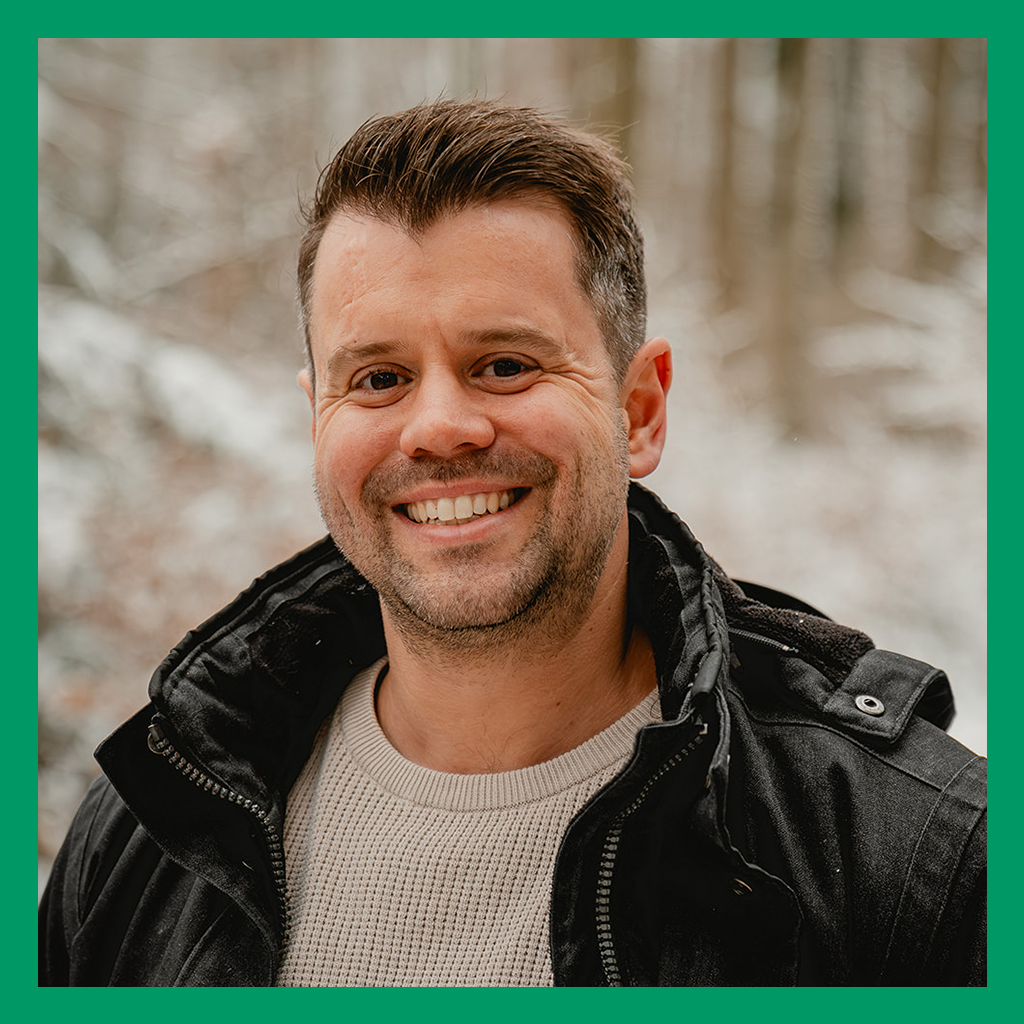
Presentation: “Von der Fernerkundungsforschung in die Praxis – Ein Überblick zum Projekt EO4CAM”
Speaker Bio
Julian Fäth is PostDoc at the Department of Remote Sensing of the University of Würzburg (JMU). He leads the “Forestry” work package at the JMU within the EO4CAM project of the German Aerospace Center (DLR), using remote sensing to support climate adaptation planning for Bavarian authorities.
His background also includes several years of research at the Professorship of Forest Nutrition and Water Resources at the Technical University of Munich and at the Department of Physical Geography at the JMU. His work combines field-based hydrological and soil physical methods with remote sensing data to understand drought impacts, soil moisture dynamics, and tree vitality. From the outset, he has worked in close exchange with German forest authorities, maintaining a strong link between research and practice.
SPEAKER
Dr. Rico Fischer
JKI Quedlinburg

Presentation: „Modellierung und Digitale Zwillinge für klimaresistente Wälder“
speaker bio
Rico Fischer is a researcher at the Julius Kühn Institute (JKI), Institute for Forest Protection, where he leads the “Forest Modeling and Digital Twins” working group. He combines process-based modeling with remote sensing to better understand forest ecosystems and identify risks at an early stage.
His work focuses on the development and application of digital twins for forecasting and decision support in forest protection in order to strengthen the resilience of forests to biotic and climatic stressors.
SPEAKER
Selina Ganz
Forstlichen Versuchs- und Forschungsanstalt Baden-Württemberg
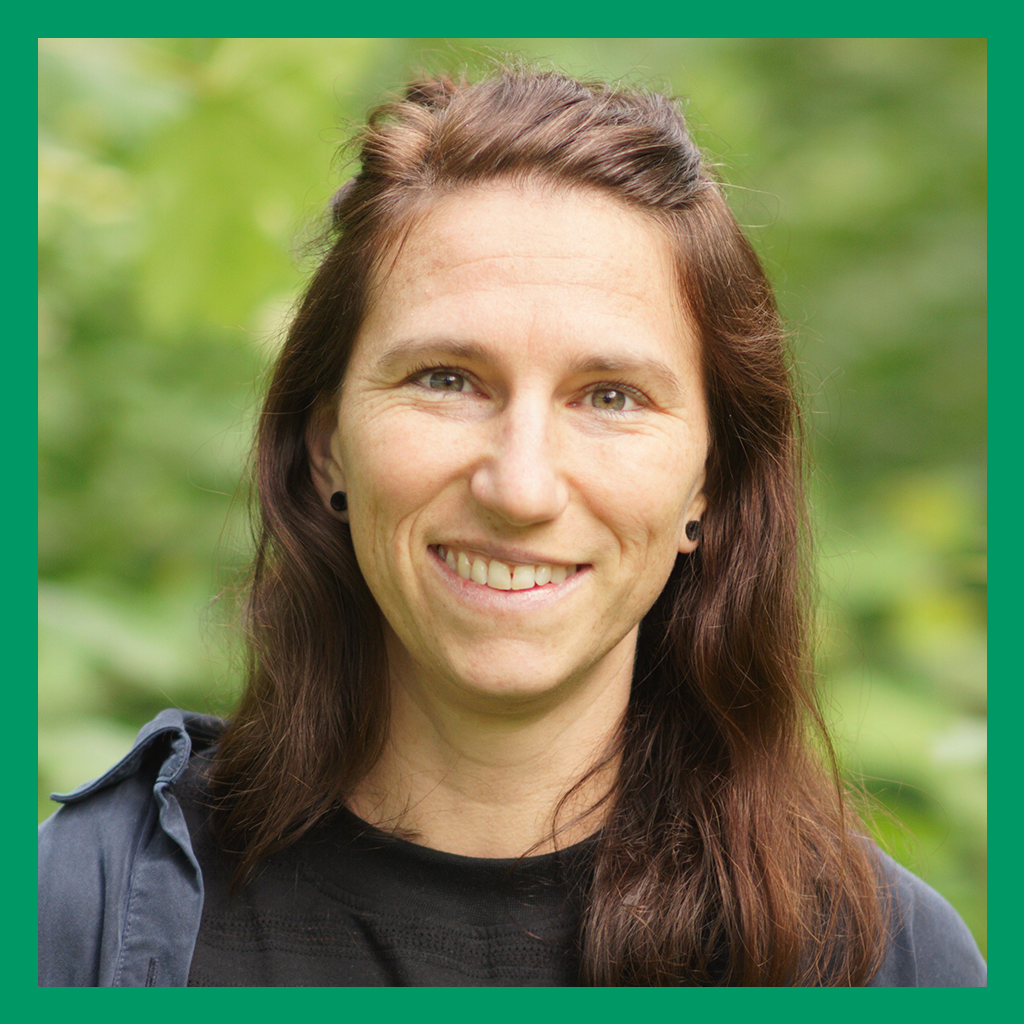
Presentation: „Jährliches Höhenwachstum als Schlüssel zum Bestandesalter: Ableitung der Altersstruktur von Waldbeständen mit multitemporalen, bildbasierten Höhenmodellen“
speaker bio
Selina Ganz and Martin Denter are scientists at the Forest Research Institute Baden-Württemberg, Germany, in the remote sensing department.
With their project MoBiTools, they developed a comprehensive approach to monitoring biodiversity in forests using remote sensing techniques. Their focus is on operationalization: By mapping various forest structures in Baden-Württemberg, Germany, they provide valuable data for studies on biodiversity, nature conservation and sustainable forest management.
SPEAKER
Richard Georgi
OGF GmbH, Kesselsdorf
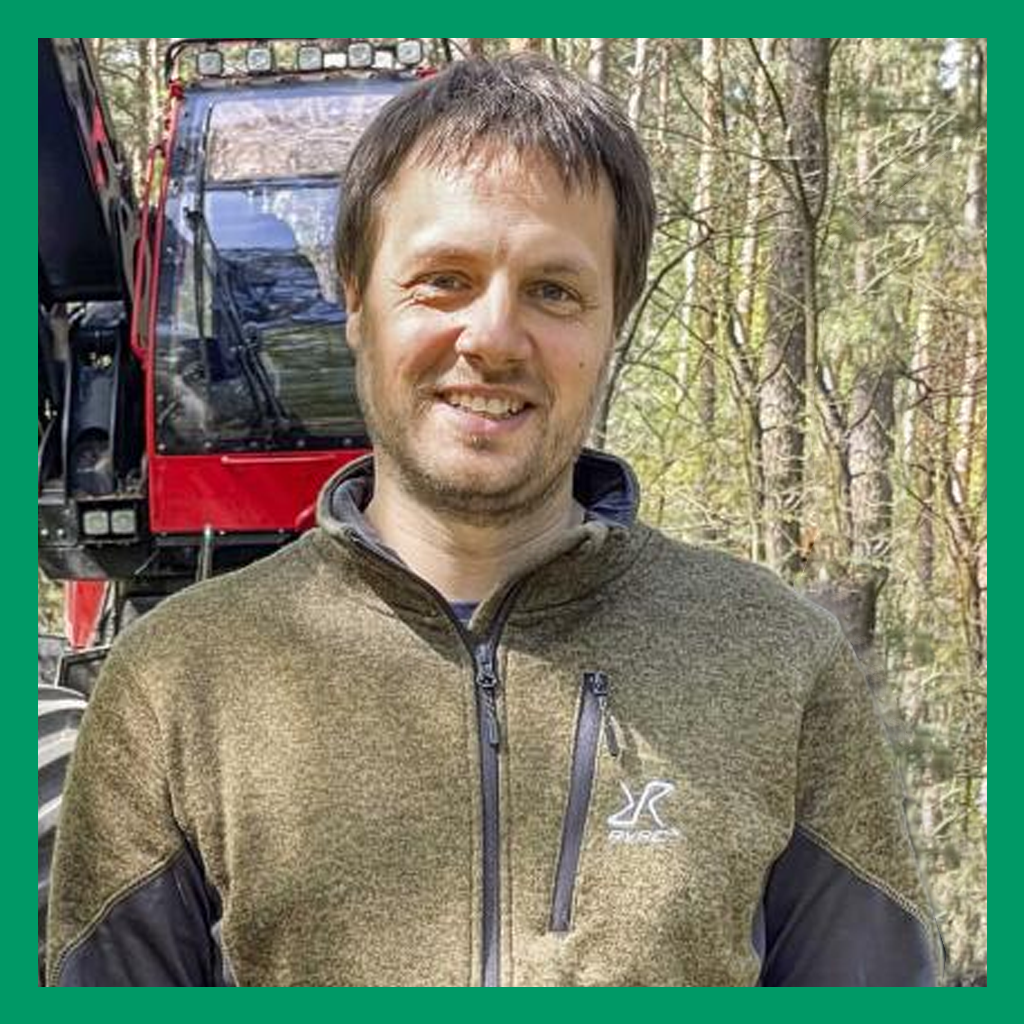
Presentation: „KI-gestützte Baumartenerkennung aus LiDAR- und RGB-Daten – ein praxiserprobter Workflow für heterogene Datensätze“
Speaker Bio
Richard Georgi studied forestry in Tharandt and spent 10 years as a research assistant at the Chair of Forest Conservation at TU Dresden.
He has been working at OGF GmbH since 2020, where he has been a managing partner since early 2024. His focus is on the digitalisation of forest inventories, in which modern drone technology with LiDAR sensors is used to develop precise and sustainable solutions for forest management.
SPEAKER
Lennart Gießing
Fröhlich & Gießing Geodaten GbR

Presentation: „Automatisierte Erkennung von Rückegassen“
speaker bio
Lennart Gießing completed his data science studies at the University of Konstanz with a focus on GIS systems. He wrote his master’s thesis in collaboration with the German Aerospace Centre (DLR) in the field of semantic segmentation based on combined RGB and LiDAR data.
Together with his business partner Nicolas Fröhlich, he founded Fröhlich & Gießing Geodaten GbR to offer specialised services in the field of geodata. They are currently focusing intensively on the large-scale automated digitisation of forest roads using machine learning-based remote sensing.
SPEAKER
Dr. Javier Gonzalez
Bayerische Landesanstalt für Wald und Forstwirtschaft (LWF)

Presentation: „Übertragung von DL-Modellen zur Schaderkennung an Laub- und Nadelbäumen“
speaker bio
Javier Gonzalez holds a Bachelor’s degree in Forest Engineering from the Universidad Nacional de Colombia and a Ph.D. in Geography from Heinrich Heine University, Germany. Since 2020, he has been working at the Department of Remote Sensing of the Bavarian State Institute of Forestry (LWF). Before that he worked at the Fraunhofer Institute FKIE and at the University of Bonn.
His research focuses on tree disease detection using spectral imaging data from airborne and satellite platforms. His broader interests include vegetation remote sensing and the application of machine learning techniques for environmental monitoring.
SPEAKER
Leonie Hahn
Hochschule Weihenstephan-Triesdorf
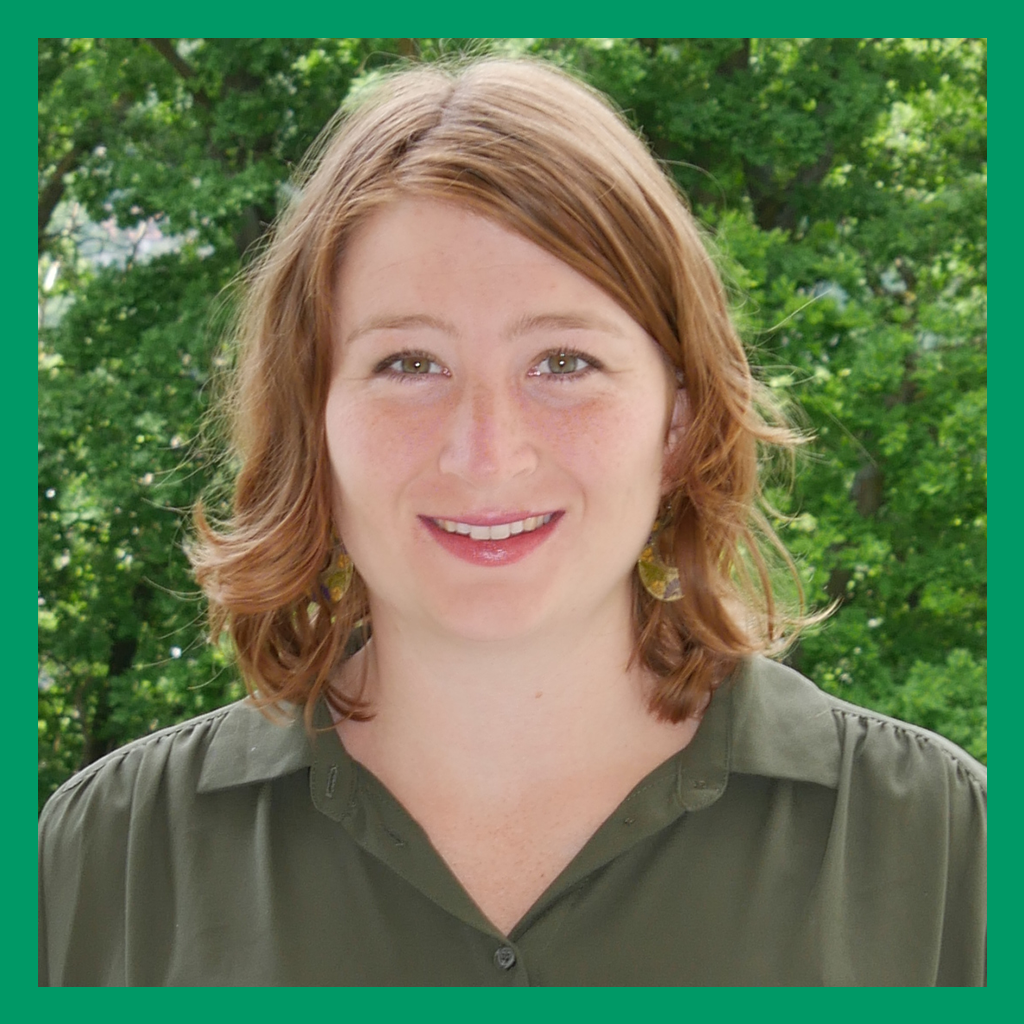
Presentation: „Scaling drought stress monitoring in reforestation: Integrating dendrometers, remote sensing, and modeling“
speaker bio
Leonie Hahn is a PhD researcher in the SmartReForest project, developing data-driven solutions for climate-resilient reforestation. Her work combines artificial intelligence, remote sensing, and ecophysiology to improve adaptive forest management under increasing drought stress.
She holds a Master’s degree in Physical Geography, where she specialized in satellite-based vitality assessment and drought stress detection in European beech forests. Since 2022, her research focuses on monitoring drought stress on reforestation sites using integrated field measurements and Earth observation data. A key objective of her work is the development of irrigation thresholds for tree seedlings to support evidence-based decision-making in reforestation.
Her interdisciplinary research bridges ecophysiology, Earth observation, and data-driven modeling to enhance the resilience of future forests.
SPEAKER
Torben Hansen
ForestX

Presentation: „Smarte Produktion vom Wald bis ins Werk in der digitalen Praxis“
speaker bio
Torben Hansen is project manager at ForestX for the region of Germany.
He studied forestry and completed a traineeship as certified forestry professional (German Assessor). Then he worked with timberland appraisals and forest management planning, with asset management for timberlands, and as ERP-consultant. In 2023 Mr. Hansen joined ForestX.
SPEAKER
Andreas Hanzl
Technical University of Munich

Presentation: „Modelling Forest Floor Temperature from Terrestrial Laser Scanning“
speaker bio
Andreas Hanzl is a doctoral candidate at the Professorship of Earth Observation for Ecosystem Management at the Technical University of Munich. In his current project, he is working with colleagues from Ghent University in Belgium to analyse the influence of forest structure on the cooling functions of various forest ecosystems in Berchtesgaden and Flanders. To this end, he combines high-resolution terrestrial laser scans with high-resolution temperature measurements to gain detailed insights into the forest microclimate and its drivers.
He studied geography at the University of Vienna and then completed a master’s degree in physical geography at Marburg University, specialising in environmental informatics and remote sensing.
SPEAKER
Dr. Christoph Hartebrodt
Forstliche Versuchs- und Forschungsanstalt

Presentation: „Vertikale Datenräume: Chancen und Herausforderungen für das forstliche Krisenmanagement am Beispiel des Waldbrand-Management-Informationssystems Baden-Württemberg“
speaker bio
Dr. Christoph Hartebrodt is head of the Forest Economics and Forest Management Department at the Baden-Württemberg Forest Research Institute (FVA). A personal focus of his work and experience lies in dealing with damaging events in forests.
His career began with a degree in forestry. He followed this with a doctorate focusing on ecology. After several years in various positions in the Baden-Württemberg forestry administration, he moved into applied research. He used his practical experience in dealing with major disasters to expand the FVA’s expertise in this field.
Through various national and international projects and consulting activities, including for the Pan-European Forest Risk Facility, it became increasingly clear to him that cooperation between stakeholders is often a decisive factor for success. This requires the availability of shared, up-to-date, and quality-assured information. In recent years, this topic has become another focus of his work.
SPEAKER
Frank Heinze
RIF Institut für Forschung und Transfer e.V.
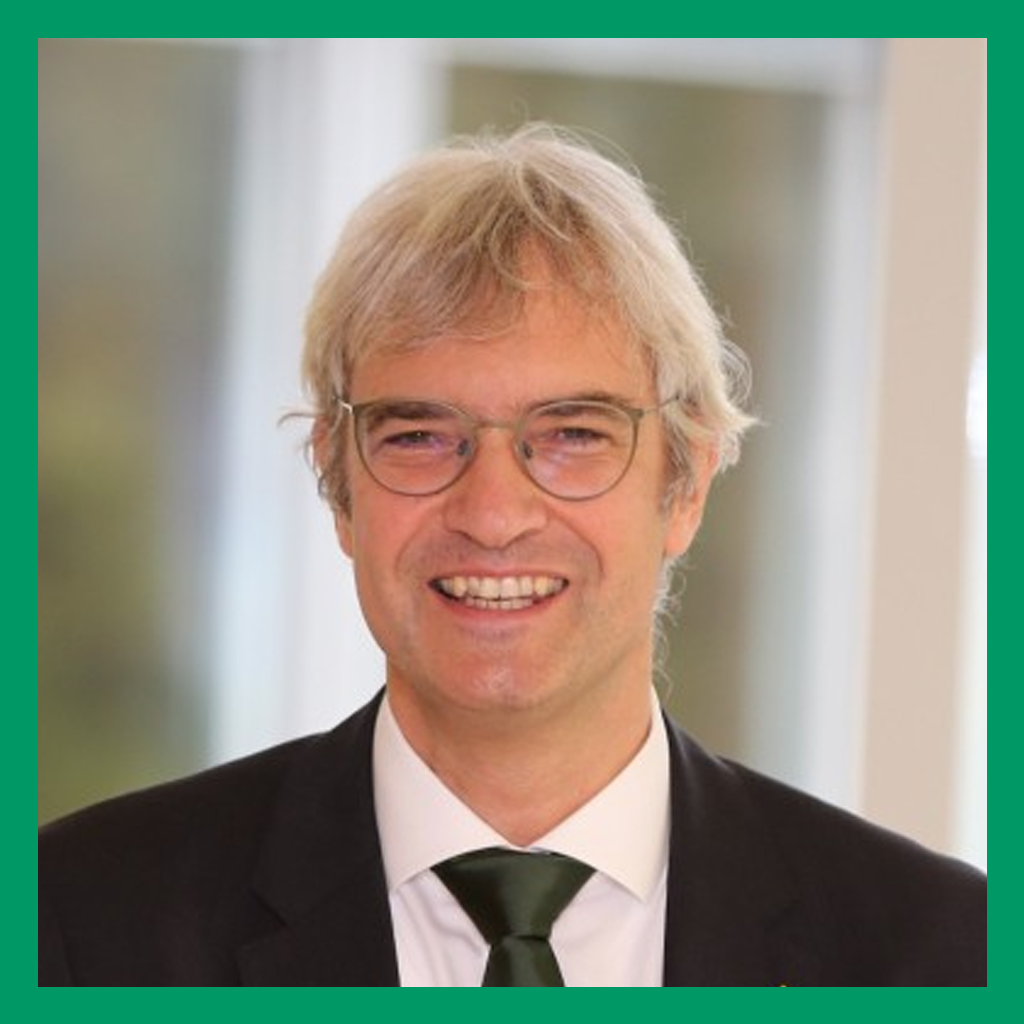
Presentation: „Digitale Zwillinge und Datenräume zur Digitalisierung der Forstwirtschaft“
speaker bio
Frank Heinze is manager of the “Forest and Wood 4.0 Competence Center” at the RIF Institute for Research and Transfer e.V. in Dortmund since 2022. Prior to that, he was project coordinator of the infrastructure project of the same name from 2018. He studied electrical engineering at the University of Paderborn and the University of Illinois at Urbana-Champaign, USA, and business administration at the FernUniversität Hagen.
His current research focuses on practical data ecosystems, data transmission from machines/sensors, and trustworthy data exchange structures for the forestry and timber industry. He is driving forward the development of data trust models, data spaces, and networks of digital twins in forestry in the research projects DTMForst, CO2For-IT, and SmaSiKaFE.
SPEAKER
Dr. Ulrike Hiltner
ETH Zurich

Presentation: “Simulating Forest of the Future: real-Time Decision Support for Site-Specific Adaptation”
speaker bio
Dr. Ulrike Hiltner is a Senior Researcher in the Silviculture Group at ETH Zurich. Her research focuses on the dynamics of mountain forests under climate change and the development of site-specific adaptation strategies.
She specializes in combining process-based forest models (such as ForClim) with machine learning techniques (“Translator” frameworks) to make complex ecological simulations available in real-time. A key focus of her work is bridging the gap between science and practice: Through digital decision support systems like the ForClim App and ProForest-DSS, she provides practitioners with tools to assess the long-term impacts of management decisions under uncertain climate scenarios.
SPEAKER
Jacob Hjalmarsson
COO & Co-Founder, Arboair
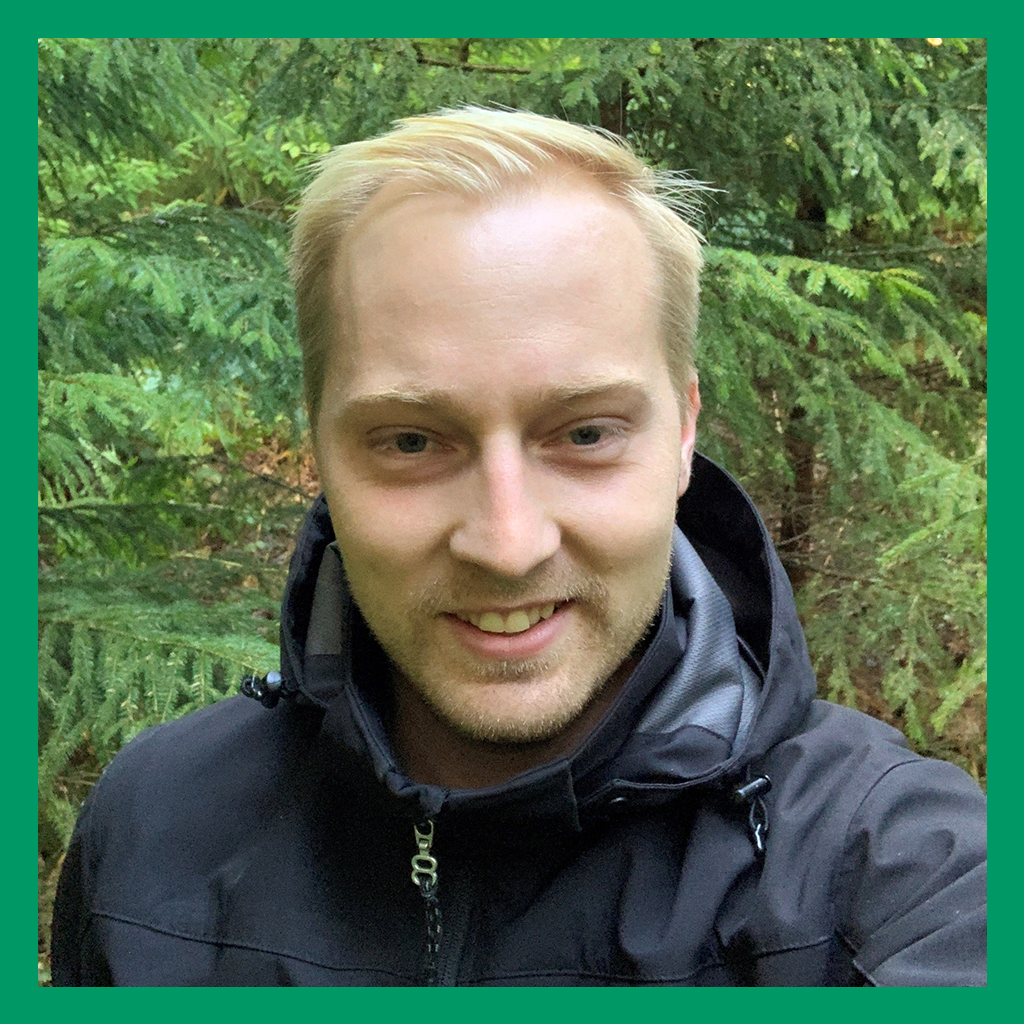
Presentation: „AI-based Single Tree Analytics for Harvest Optimization“
speaker bio
Jacob Hjalmarsson is the COO and Co-founder of Arboair, a company transforming sustainable forestry and tree care through AI. Before Arboair, he ran a sustainability software and consultancy startup. He has worked in the paper and pulp industry in Sweden.
Inspired to make things better, together with the team at Arboair they have worked to improve forest inventory accuracy from 60% to 95%. They create better opportunities for forestry and promote global sustainability.
SPEAKER
Kilian Hochholzer
Technische Universität München

Presentation: “The two approaches: assessing resilience of post-disturbance forests across Central Europe using computer-vision foundation models and visual language models”
speaker bio
Kilian Hochholzer is a PhD student at the Chair of Ecosystem Dynamics and Forest Management at the Technical University Munich, where he works at the intersection of computer science and ecology.
His unique career path began with a software development apprenticeship before transitioning into Forest Science and Ecological Engineering. Kilian’s research focuses on applying Neural Networks (AI) to post-disturbance forests, a goal driven by his years of experience conducting forest inventory and health assessments for the Bavarian state.
Having seen firsthand how labour-intensive traditional fieldwork can be, Kilian is dedicated to developing technological tools that enhance, rather than replace, the practitioner’s expertise. When he isn’t bridging the gap between code and canopy, he can be found hiking in the mountains or perfecting his pizza dough.
SPEAKER
Felix Fürst zu Hohenlohe
HSM Hohenloher Spezial-Maschinenbau GmbH
Presentation: “Mechanisierte Holzernte bei Fahrgassenabständen von 30 und 40m. Ein Überblick über die Aktivitäten bei Radmaschinen”
SPEaker Bio
Felix Fürst zu Hohenlohe has been managing director of the medium-sized forestry machine manufacturer HSM Hohenloher Spezial-Maschinenbau GmbH since 1996. Over the past two decades, HSM has been involved in numerous research projects in the field of forestry technology and timber harvesting.
Zu Hohenlohe studied mechanical engineering at the Technical University of Munich and then worked in the development department for mobile hydraulic systems at Mannesmann-Rexroth in Lohr am Main. His field of work was the programming of microprocessors and the development and optimisation of electro-hydraulic systems for mobile machines.
SPEAKER
Dr. Martin Hoppen
RWTH Aachen University
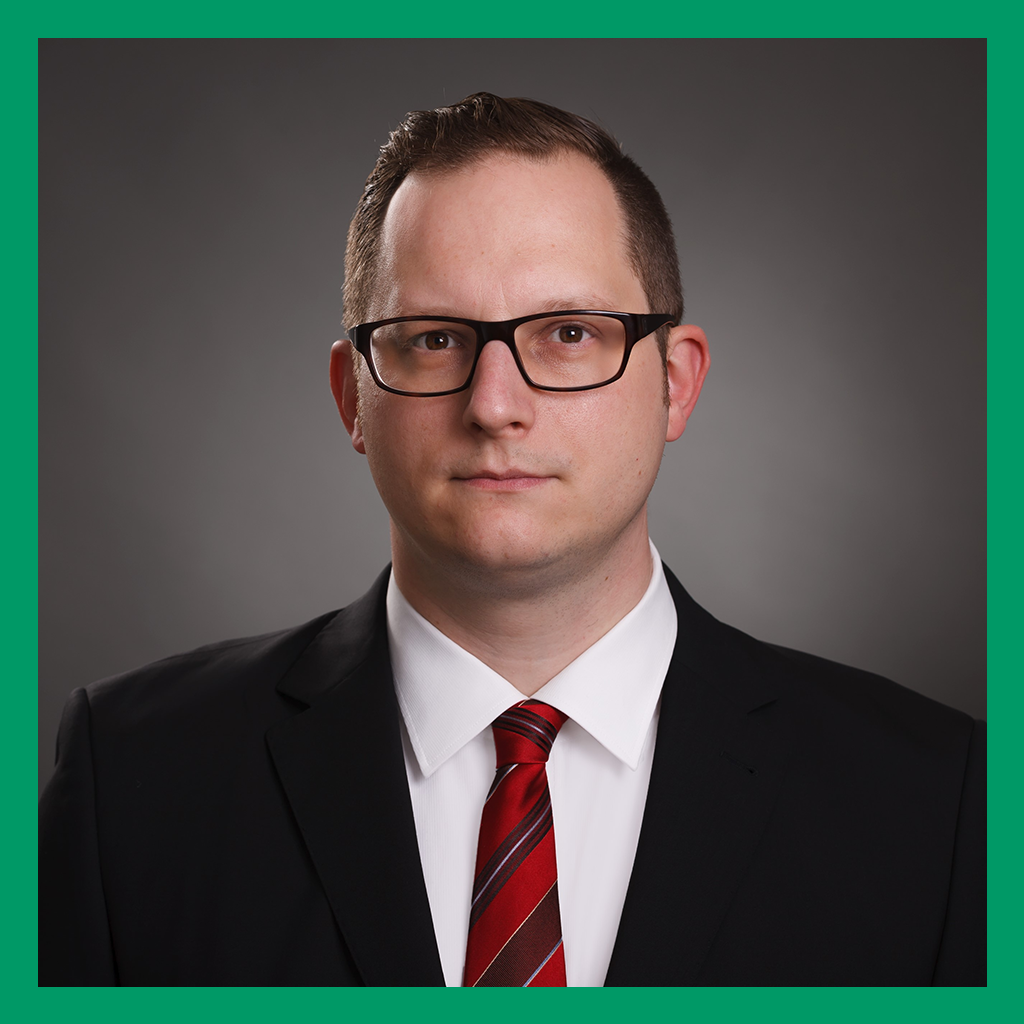
Presentation: “Datendrehscheibe Forst-Holz”
Speaker bio
Martin Hoppen is head of the Environment and Digitalization department at the Institute for Man-Machine Interaction (MMI) at RWTH Aachen University. He studied computer science at the University of Bonn and earned his doctorate at RWTH Aachen University.
For almost 20 years, he has been involved in research and development related to the digitalization of forestry. His work focuses on data management and data modeling, as well as Industry 4.0 and data space technologies for forestry (Forestry 4.0).
SPEAKER
Niklas Jaggy
University of Würzburg

Presentation: “Differentiating standing deadwood and clear-cuts in recent Bavarian spruce forest disturbances”
speaker bio
Niklas Jaggy is a research assistant at the Chair of Remote Sensing at Julius Maximilian University of Würzburg (JMU) and works on the Earth Observation subproject of the ROOT project funded by bidt for near-real-time observation of forest dynamics and biodiversity.
The main focus of his research involves establishing an Earth Observation process chain for the timely detection of disturbances in Bavarian forests and distinguishing between standing deadwood and clear-cut areas. This includes the development of various methodological approaches and resource-efficient implementation in high-performance computing environments.
SPEAKER
Dr. Gordana Kaplan
Institute of Earth and Space Sciences, Eskisehir Technical University, Turkey

Presentation: “Phenological Climate Sensitivity of European Beech Along Elevation Gradients using Remote Sensing”
speaker bio
Gordana Kaplan is an Associate Professor at Eskişehir Technical University, Institute of Earth and Space Sciences. Her research focuses on Earth Observation geospatial analytics for forest monitoring, with emphasis on tree phenology, climate sensitivity, and stress indicators derived from multi-sensor satellite time series.
In 2023–2024, she contributed to a collaborative research project led by the WSL Institute and the University of Zurich, which further shaped her work on translating remote sensing innovation into practical forestry applications. Her current work examines phenological responses of European beech along elevation gradients to identify climate-driven constraints and improve forecasting and decision support. She is active in international collaborations and supervises graduate research in remote sensing and environmental analytics.
SPEAKER
Tanja Kempen
HAWK Göttingen
Presentation: “TrailScan: QGIS-Plugin zur Kartierung von Rückegassen in Laserscanning Daten”
speaker bio
Tanja Kempen is a research associate at the Faculty of Resource Management at HAWK Göttingen and a PhD candidate at the Department of Spatial Structures and Digitization of Forests at the University of Göttingen. Her research focuses on AI-based digitization of forest floor structures as a foundation for modelling and improving water retention in forests. In the “TrailScan” research project, she developed a QGIS plugin for mapping skid trails from laser scanning data together with the team at the HAWK Forest Monitoring Lab.
Tanja Kempen studied Forest Sciences and Forest Ecology with a focus on forest conservation at the Georg-August-University Göttingen and the Technical University of Dresden. Before transitioning to forest science, she worked in sales and product management in e-commerce – most recently at Amazon.de’s online marketplace business, where she was responsible for expanding the consumer goods sector.
What drives her: bringing know-how from the digital economy to where it can make a lasting difference – our forests.
SPEAKER
Martin Keuschnigg
Umweltdata GmbH

Presentation: “Inventur mit Handheld Scanner – Hands-on Erfahrung im Lehrforst”
speaker bio
Following the completion of his studies at BOKU Vienna, Martin Keuschnigg was involved as a contract freelancer in various projects for Umweltdata GmbH, Österreichische Bundesforste AG (Austrian Federal Forests), and Geoconsult Wien ZT GmbH between 2002 and 2009.
Since 2009, he has been an integral part of the Umweltdata GmbH team as a designated inventory specialist. In 2016, he took over the leadership of the Forest Inventory department. In this capacity, he is responsible for the planning, preparation, implementation, and analysis of ALS- (Airborne LaserScanning) and TLS-based (Terrestrial Laser Scanning) sample inventories. Furthermore, he contributes his expertise as a GIS specialist to the creation of forest maps.
He is involved in all the company’s research projects, making him an essential pillar for the advancement of modern forest inventory. His work focuses particularly on the challenges of climate change. Central to this is precise carbon monitoring, aimed at enabling CO₂-optimized yield generation in forestry.
SPEAKER
Melanie Kirchhöfer
FVA Baden-Württemberg

Presentation: TBA
speaker bio
Melanie Kirchhöfer heads the Remote Sensing Group in the Biometrics and Informatics Department at FVA Baden-Württemberg. The Remote Sensing Group develops methods for the contactless description and analysis of forests in Baden-Württemberg. Depending on the issue at hand, the unit uses a wide range of input data, from drone-based LiDAR and multispectral cameras to digital stereo aerial images and optical satellite images. Several projects oft he Remote Sensing Group deal with the assessment of forest vitality and the application of remote sensing in forest protection.
Melanie Kirchhöfer studied forestry at Rottenburg University of Applied Sciences and photogrammetry and geoinformatics at Stuttgart University of Applied Sciences. After completing her doctorate in photogrammetry at Loughborough University in the United Kingdom, she gained several years of experience in applied forestry remote sensing research at NW-FVA in Göttingen and FVA in Freiburg.
SPEAKER
Olaf Kocanda
WoodMatch

Presentation: “Warum einfache digitale Plattformen Plattformen der fehlende Schlüssel zur Forstpraxis 4.0 sind”
speaker bio
Olaf Kocanda is the driving force behind dataTactics GmbH’s WoodMatch project and has been a passionate advocate for the digital transformation of forestry since day one.
Professionally, he works in management consulting, where he has led various projects in the field of Sustainable Finance and Business Intelligence. He leverages this expertise to lead the often analog and fragmented forestry industry into the digital age through radical simplicity. Instead of complex, isolated solutions, WoodMatch champions a platform strategy that makes forest management as intuitive as booking a hotel for owners, associations, and service providers, ultimately paving the way for an efficient Forestry 4.0.
SPEAKER
Dr. Benjamin Kowalski
Future Forest Initiative

Presentation: “Data Ecosystem Laboratory”
speaker bio
Dr. Benjamin Kowalski is Co-Founder and Head of Science at the Future Forest Initiative. He works at the interface of science, technology and policy, developing Living Labs and harmonised nature metrics for resilient landscapes.
His focus lies on understanding forests as Critical Infrastructure for Europe’s future and making them investable and decision-ready through robust measurement logics.
SPEAKER
Anja Krauth, M.Eng.
Ostfalia University of Applied Sciences – University of Braunschweig/Wolfenbüttel
Presentation: “ForestBots – Nachhaltige Schwarmintelligenz für die automatisierte Wiederaufforstung”
speaker bio
Anja Krauth studied mechanical engineering at Ostfalia University of Applied Sciences and has been working as a research associate at the Institute for Design and Applied Mechanical Engineering for two years.
In her master’s thesis, she focused on the development of cost-effective, modular (soil) environmental sensors for use in forestry. This was followed by further development as well as the application of environmental sensor technology in the projects Waldpilz and SmartCity Irrigation. Based on this, a modular pop-up kit system was established, which is used across various projects.
Since early 2026, she has been working on the systematic development of a planting unit for an autonomous mobile robot dedicated to the automated reforestation with seedlings in forestry as part of the ForestBots project.
SPEAKER & PROGRAMM COMMITTEE MEMBER
Nancy Lazecky
Referentin für Digitalisierung Forst und Holz Fachagentur Nachwachsende Rohstoffe e.V.
Presentation: TBD
Speaker Bio
Nancy Lazecky is a specialist for digitalisation in the public relations department of Fachagentur Nachwachsende Rohstoffe e.V. (“Agency for Renewable Resources”) (FNR).
After completing her master’s degree in forestry in 2020, she gained practical experience in the forestry service at the AELF Kempten. At the FNR, she has been organising and moderating the “Digitalisation of Forestry and Wood” roundtable for the last three years.
Her role consists of facilitating networking among stakeholders, identifying synergies, and promote collaboration for innovative solutions. She utilises her overview to ensure that all participants work together to create solutions for existing challenges and make progress in digitalisation.
SPEAKER
Prof. Dr.-Ing. Andreas Ligocki
Ostfalia University of Applied Sciences – University of Braunschweig/Wolfenbüttel
Presentation: “ForestBots – Nachhaltige Schwarmintelligenz für die automatisierte Wiederaufforstung”
speaker bio
Professor Andreas Ligocki studied mechanical engineering at the Technical University of Braunschweig and subsequently received his doctorate at the Institute for Agricultural Machinery and Fluid Technology.
After working as a design engineer and head of development and design at the industrial enterprise CLAAS and Günter TILL GmbH & Co. KG, he was appointed to professor of design at Ostfalia University of Applied Sciences in Wolfenbüttel in 2010.
In addition to his teaching, Professor Ligocki is engaged in research in the fields of constructive hydraulics, mobile machinery, and additive manufacturing, mostly in combination with forestry or agricultural engineering.
Currently, his team is working on automated reforestation, using autonomous mobile robots in the ForestBots project. A modular pop-up modular system has been developed for various projects, including applications with environmental sensors.
SPEAKER
Sonja Maas
Department of Remote Sensing,
University of Würzburg

Presentation: “Comparing Tree Metrics Across different LiDAR Platforms in a Mature Beech Stand“
Speaker Bio
Sonja Maas earned her bachelor’s degree in forestry at HAWK Göttingen and then completed the international master’s program Applied Earth Observation (EAGLE Program) at the University of Würzburg.
There, she deepened her knowledge of remote sensing and geodata analysis for forestry applications and researched the possible uses of different LiDAR platforms in forests during her master’s thesis. She is currently working as a researcher in the EO4CAM project and is pursuing her doctorate at the University of Würzburg with a focus on remote sensing for forestry.
SPEAKER
Simone Massaro
Q-ForestLab, Ghent University

Presentation: “Spacetwin: virtual forest for monitoring disturbances from space“
Speaker Bio
Simone Massaro is a PhD student at Q-ForestLab at Ghent University.
At SmartForest he will present his research on the SPACETWIN project, which uses virtual forests and simulations to improve the monitoring of forest disturbances from space. The virtual forests are built from Terrestrial Laser Scanning (TLS) data, and radiative transfer modelling is then used to simulate satellite observations, creating a physics-based link between ground and remote sensing.
Simone’s background sits at the intersection of forestry and computer science, combining ecological knowledge with technical expertise to tackle real-world forest monitoring challenges. Before starting his PhD, he gained hands-on industry experience in forest monitoring using both terrestrial and aerial lidar, bridging the gap between scientific research and practical application.
SPEAKER
Nina Meyer, M.A.
Communications expert and moderator
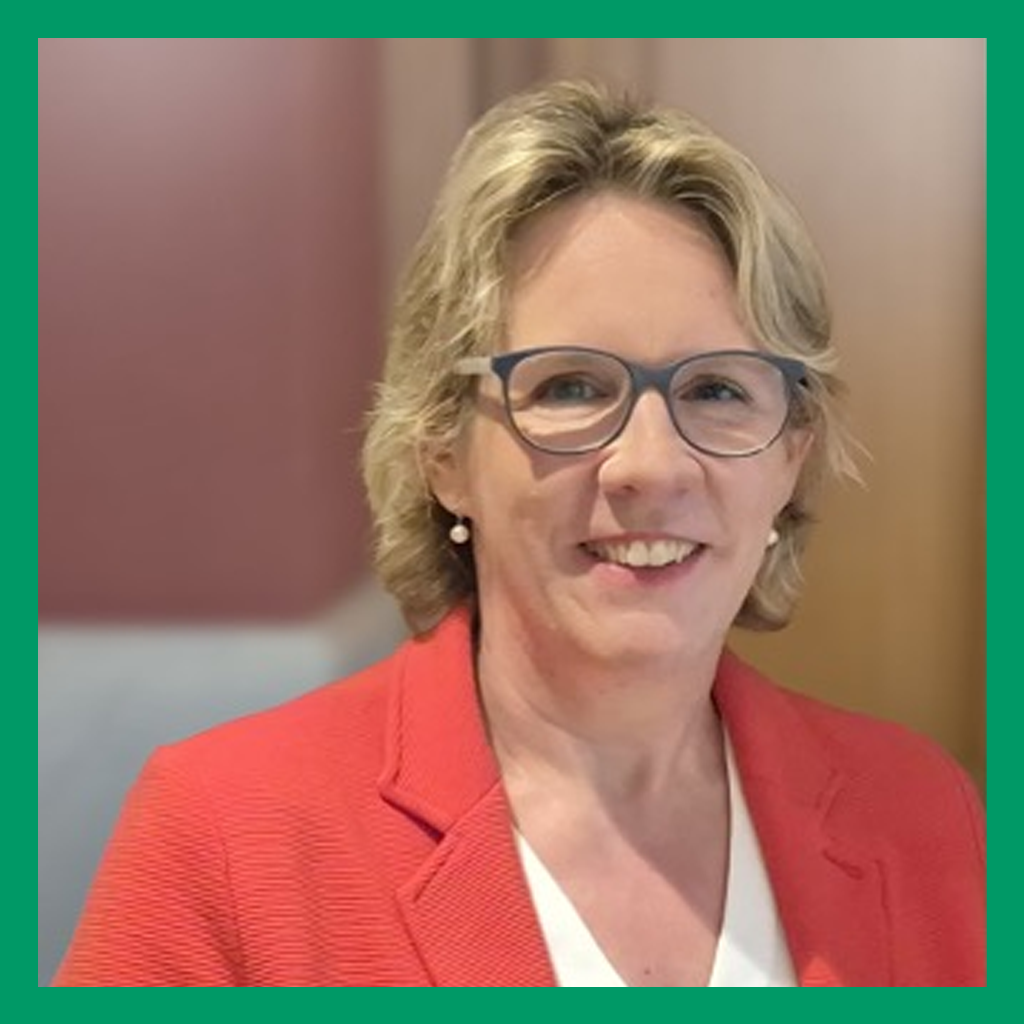
Presentation: “Kommunikation in der Forstwirtschaft: Schlüssel zum Erfolg“
Speaker Bio
Nina Meyer works as a communications expert and moderator in the forestry industry.
She advises companies and organisations on successful communication and supports them in its implementation. This includes press and public relations, project management, and speaker placement. Her clients include forestry IT companies, forestry administrations, associations, forestry trade fairs, and scientific institutions.
She studied political science, economic policy, and business administration. She entered the forestry industry in 2009 at the Franconian Switzerland Forest Owners’ Association. Today, she specialises in digitalisation, private forests/Forestry associations, and women in forestry. In her LinkedIn interview series “In conversation with…”, she regularly talks to leaders from the forestry industry about current forestry topics. Nina Meyer also moderates forestry events and panel discussions.
SPEAKER
Srilakshmi Nagarajan
Technical University of Munich

Presentation: “Mapping tree heights from space: A deep learning framework using dense Sentinel-2 time series and LiDAR data“
Speaker Bio
Srilakshmi (Sri) Nagarajan studied Electronics and Communications Engineering in India, with a focus on satellite communications and microwave technology. During her MSc in ESPACE (Earth-Oriented Space Science and Technology) at the Technical University of Munich, she studied satellite systems and mission design for Earth observation applications, with specialisation in AI-based methods for remote sensing.
She is currently a PhD researcher at the Professorship of Earth Observation for Ecosystem Management at TUM, where her research looks at how deep learning, dense satellite image time series, and LiDAR data can be used for accurate, near-real-time operational forest monitoring in Bavaria. She enjoys working on interdisciplinary projects and is particularly interested in using AI and Earth observation data to develop practical tools to tackle climate change.
SPEAKER
Dr. Kaori Otsu
CREAF

Presentation: „Integration of regional and national forest inventories in Spain for data exchange and geospatial visualisation“
Speaker Bio
As a postdoctoral researcher specialised in forestry applications, Dr. Kaori Otsu belongs to the Research Group Methods and Applications in Remote Sensing and Geographic Information Systems (GRUMETS) at CREAF.
Her recent research projects focus on testing technical interoperability of data and services for biodiversity and environmental monitoring, in support of priority actions for the European Green Deal.
Her community engagement has been active in the European Group on Earth Observations (EuroGEO), European Geosciences Union (EGU) in the Earth and Space Science Informatics (ESSI) Division, European Open Science Cloud (EOSC) Association, and Open Geospatial Consortium (OGC).
SPEAKER
Stephan Philipp
Vorarlberg Provincial Government
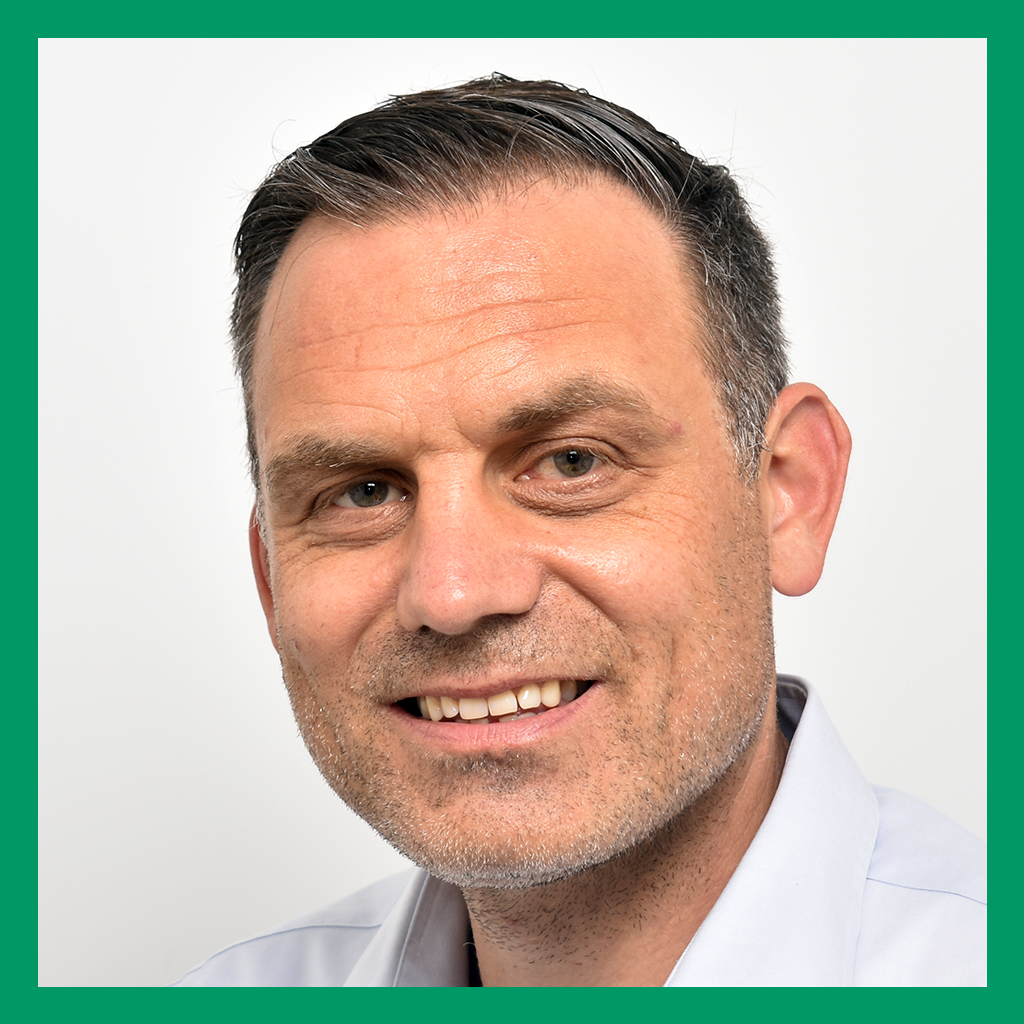
Presentation: „Investieren wie ein Förster: Wie wir mit Finanzmetaphern den Wald besser erklären“
Speaker Bio
Stephan Philipp studied forestry at the Technical University of Munich and Seoul National University. In addition to completing his traineeship in Bavaria and working for several years as project manager of the Mountain Forest Initiative in the districts of Miesbach and Bad Tölz, he also passed the state examination for senior forestry service in Austria, where he now works as deputy state forestry director in Vorarlberg.
His extensive experience in forest management, which he has also discussed in television interviews and radio broadcasts, has also helped him in his second great passion: investing on stock markets around the world. He has also appeared on a well-known YouTube programme to discuss this topic.
SPEAKER & PROGRAMME COMMITTEE MEMBER
Prof. Dr. Thomas Purfürst
Professor of Digitised Forestry Processes and Systems at Dresden University of Technology
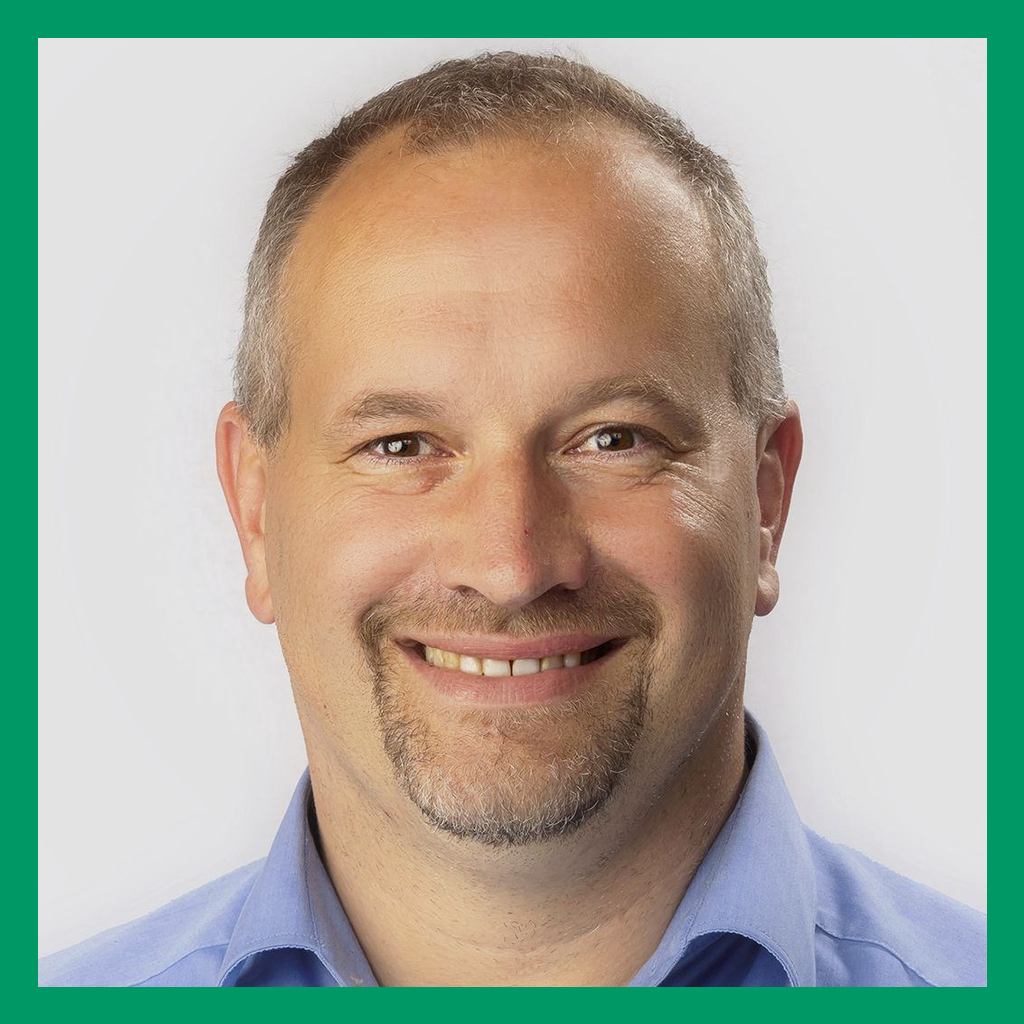
Presentation: “Operational Digital Twins for Smart Forestry: From LiDAR to Data Spaces”
Speaker bio
Prof. Dr. Thomas Purfürst holds the Chair of Digitalised Forestry Processes and Systems at Dresden University of Technology (TUD). The chair is a central component of the forestry sciences department at TUD in Tharandt.
Prof. Purfürst previously held the Chair of Forest Engineering at the University of Freiburg. His expertise is based on more than 20 years of intensive research and practical experience in the interplay of digitalisation, geoinformatics, forestry technology, and logistics, always with a focus on increasing the efficiency of forestry processes and optimising the timber supply chain. His academic career includes degrees in forestry and geoinformatics, and a postdoctoral qualification focusing on digital documentation and data management for forest soil surveys.
The research conducted under Professor Purfürst’s leadership aims to shape precision forestry and Forest 5.0. A central theme is the design and implementation of dynamic, individual tree-based digital twins of the forest, combined with comprehensive geodata management.
His key research pillars include the digitalisation of the supply chain, sensor technology and data collection, immersive technologies, and sustainability assessment.
SPEAKER & PROGRAMME COMMITTEE MEMBER
Dr. Werner Rammer
Department for Life Science Systems, Technical University Munich
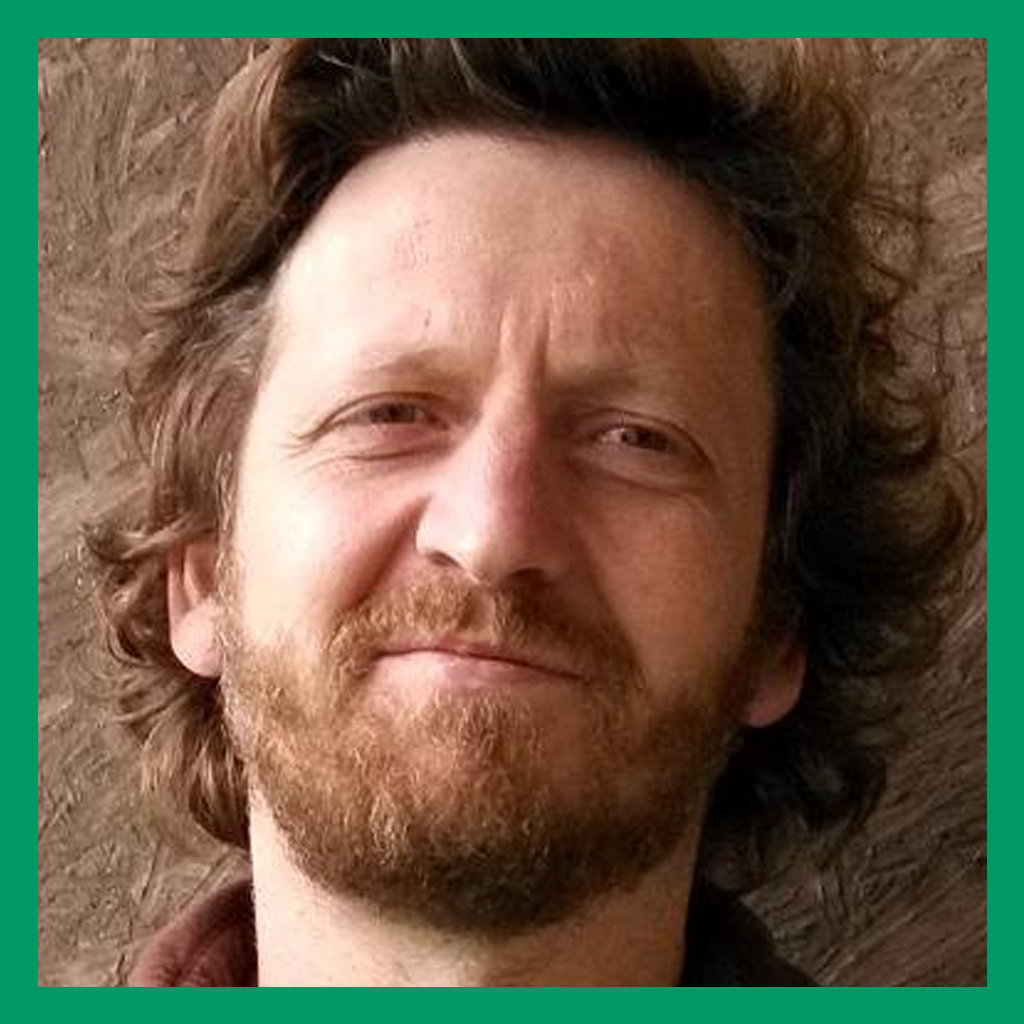
Presentation: “Simulating Germany’s Future Forests: Integrating Climate, Disturbances, and Forest Management”
Speaker bio
Dr. Werner Rammer is a Senior Scientist at the Chair of Ecosystem Dynamics at the Technical University of Munich. He develops and uses forest ecosystem models to analyse the effects of climate change, disturbances and forest management. He is also a pioneer in the application of artificial intelligence in ecosystem research.
His research focuses on ecosystem modelling, artificial intelligence/deep learning, software development, the effects of climate change, ecosystem services, and forest management.
SPEAKER
Stefan Reder Koithahn
Eberswalde University for Sustainable Development

Presentation: “Benchmarking Tree Instance Segmentation Algorithms: Operationalizing Algorithm Selection Across Forest Conditions and Platforms”
Speaker bio
Stefan Reder Koithahn is a research assistant at the Eberswalde University for Sustainable Development (HNEE) in Germany. His work focuses on the application of remote sensing and deep learning methods for forest monitoring and damage assessment.
He is the author of several studies on the automated analysis of storm damage in forests using high-resolution UAV orthomosaics and deep-learning approaches. His current research focuses on multi-sensor, multi-platform, and multi-temporal point-cloud fusion for the creation of 4D point clouds (time series) in dense forest environments. In this context, he investigates new approaches for processing 3D forest point-cloud data, including methods for automated registration, tree instance segmentation, and the derivation of tree parameters from dense forest scans.
Stefan Reder Koithahn’s research combines forest science, geospatial technologies, and artificial intelligence to improve the monitoring of forest disturbances and support data-driven forest management. His work contributes to the development of digital tools for analyzing forest structure and assessing storm damage in European forests.
SPEAKER & PROGRAMME COMMITTEE MEMBER
Martin Roth
Forest manager in the Lake Constance district
Presentation: „Digitalen Lösungsansätzen bei der Anpflanzung und Etablierung klimaresilienter Waldbestände“
Speaker Bio
Martin Roth has been a district manager in the Lake Constance district for 25 years. He is responsible for a district with seven municipal forests and almost 700 private forest owners, who together manage around 1,500 parcels of land. One of the most challenging aspects of his work is dealing with the massive liquidation of stands due to calamities, especially in small private forests.
Roth relies on innovative digital technologies and was involved in the development of Wood.In.Vision. He also lectures at Rottenburg University of Applied Sciences and the University of Freiburg, where he teaches practical applications of digital technologies in forestry.
SPEAKER & PROGRAMME COMMITTEE MEMBER
Prof. Dr. Andreas Rothe
Professor at the Faculty of Forestry at the University of Applied Sciences Weihenstephan-Triesdorf
Presentation: TBD
Speaker bio
Prof. Dr. Andreas Rothe has been a professor at the Faculty of Forestry at the University of Applied Sciences Weihenstephan-Triesdorf since 2005. He began his scientific career in the 1990s at the Technical University of Munich (TUM), focusing on forest ecology and mixed-species stands.
With over a decade of practical experience working for the Bavarian State Forest Enterprise, Prof. Rothe brings a strong background in applied forestry. From 2016 to 2019, he was engaged in forest management planning during an extended leave from the university, further strengthening his ties to practical forestry. Currently, he teaches courses on tree species suitability and forest management planning for forestry students.
His research focuses on the application of remote sensing technologies for operational forest management planning. Throughout his career, Prof. Rothe has consistently advocated for the close integration of practice, education, and research in forestry.
SPEAKER
Prof. Dr. Christian Rosset
Waldbau und forstliche Planung, Berner Fachhochschule (BFH-HAFL)
Presentation: “Combining new and traditional methods in forest inventory to support agile forest ecosystem management”
Speaker bio
Christian Rosset and his team have been developing practice-oriented digital solutions for near-natural silviculture and the sustainable management of forest ecosystems for over 15 years. Collaborating with IT specialists from BFH-TI and forestry practitioners, the focus is on creating practical added value.
Tools that have already been developed, such as MOTI (a smartphone app for forest inventories), TBk (for automatic stand mapping), MSC (the web platform martelage.sylvotheque.ch, with over 200 marteloscopes to promote the exchange of information on the various forms of near-natural silviculture) and WIS.2 (a management tool for the flexible control of forest ecosystems and their gradual adaptation to climate change) are being continuously developed.
SPEAKER
Leonard Sauter
Skyseed GmbH

Presentation: “Skalierbare Resilienz: Biotechnisch optimierte Direktsaat als Antwort auf den Waldumbau im Klimawandel”
Speaker bio
Leonard Sauter is a forestry engineer who has been driving the development of climate-resilient forests through forest seeding in Sales and Project Management at Skyseed since early 2024.
He previously served as a research associate at the University of Applied Forest Sciences Rottenburg , where he spearheaded the “StudiWerte” research project. His expertise bridges the gap between fundamental ecological research and practical experience in forest district management. At Skyseed, he leverages modern technologies to streamline reforestation and sustainably ensure the vitality of our forest ecosystems. As a passionate nature enthusiast, he is dedicated to innovative strategies that prepare our forests for the challenges of climate change.
SPEAKER
Pascal Schichor
Vice-President Sales,
European Space Imaging

Presentation: “AI-based Single Tree Analytics for Harvest Optimization”
Speaker bio
Pascal Schichor began his career with European Space Imaging in 2005 in various key positions which enabled him to gain a vast set of skills vital to the industry. Keen to expand his knowledge of Remote Sensing and Earth Observation, he became the Sales Lead EMEA for Phase One Industrial in 2017 and was responsible for the overall sales in the EMEA region.
In mid-2018 he returned to European Space Imaging in the role of Sales Director, bringing with him experience in team leadership and surveying projects. He now leads the Sales Department as well as managing the company’s strategic business partnerships, particularly within government.
SPEAKER
Christoph Schierghofer
Ludwig-Maximilians-University Munich

Presentation: “Spatial Trends in Tree Phenology in the Bohemian Forest Ecosystem over the Last Two Decades”
speaker bio
Christoph Schierghofer has been a PhD student at the Department of Geography, Ludwig-Maximilians-University (LMU) Munich since 2024, working in the AI-Klima project funded by the European Union’s Interreg Program. His PhD topic is the detection of climate change-induced long-term trends in the Bohemian Forest Ecosystem, focusing on shifts in tree phenology and species composition.
Previously, he worked for the Oberpfaffenhofen based German Aerospace Center (DLR)’s team for agricultural and forest remote sensing. He obtained both his Bachelor of Science in Geography and Master of Science in Environmental Systems and Sustainability at LMU. In his Master, he focused on remote sensing and worked on the the drone-based early detection of bark beetle infestation in the Bavarian Forest National park as his thesis topic.
His expertise focuses on long-term time series analysis of large multi-source satellite data sets, but also includes drone-based data collection in field campaigns, subsequent processing and analysis.
SPEAKER
Hanna Schmidt
Hochschule für nachhaltige Entwicklung Eberswalde

Presentation: “KI-SOIL: Aktuelle Erkenntnisse zur automatisierten Ableitung von Bodeneigenschaften im Wald mittels KI-gestützter Bildanalyse”
speaker bio
Hanna Schmidt obtained her Bachelor of Science in Geography at Humboldt University of Berlin. During her studies, she developed an early focus on soil science, completed an internship in soil geology at the Brandenburg State Office for Mining, Geology and Raw Materials (LBGR), and conducted her bachelor’s thesis on a comparative analysis of pedogenesis in soils varying with elevation and exposure.
She earned her Master of Science in Sustainable Regional Development with a focus on nature conservation at the Eberswalde University for Sustainable Development, which she completed with a master’s thesis examining the effects of agroforestry systems on the soil physical properties of agricultural soils. Since completing her degree, she has been working as a research associate in the joint research project KI-SOIL, funded by the Agency for Renewable Resources (FNR).
SPEAKER
Kilian Sperber
Hochschule München

Presentation: “Großflächige KI-basierte Totholzkartierung auf Einzelbaumebene mit OpenData”
speaker bio
Kilian Sperber studied geoinformatics and land management at OTH Amberg-Weiden and geomatics (Master’s degree) at Munich University of Applied Sciences (HM).
The focus of his research work is on AI-supported evaluation and analysis of geodata. Since 2025, he has been a research assistant at the Faculty of Geoinformation at Munich University of Applied Sciences in the ‘DraAuf’ project.
SPEAKER
Lukas Stopfer
University of Freiburg

Presentation: “Digitale Identität: Vom Einzelstamm bis zum Sägewerk”
speaker bio
Lukas Stopfer is an expert in the digitalization of timber supply chains. He is currently pursuing a PhD at the University of Freiburg, focusing on the application of blockchain technology in the forest and timber industry to enhance transparency and traceability.
Professionally, he manages development and sales for the Swedish company Logscom AB, providing digital solutions for timber logistics in Central Europe. His professional background includes extensive experience in technical veneer procurement for the automotive industry and international timber markets.
SPEAKER
Janusch Vajna-Jehle
University of Freiburg

Presentation: “Open, Scalable, and Community-Driven Forest Intelligence with deadtrees.earth and 3Dtrees.earth”
speaker bio
Janusch Vajna-Jehle is a researcher and PhD candidate at the Chair of Sensor-based Geoinformatics (geosense), University of Freiburg. He works at the intersection of remote sensing, AI, and scalable web engineering, building open and operational data infrastructures for forest monitoring. As lead full-stack developer of deadtrees.earth and 3Dtrees.earth, he designs and implements end-to-end architectures that integrate community-sourced drone imagery, satellite time series, and LiDAR point clouds with state-of-the-art AI and high-performance computing.
His focus lies in translating advanced geospatial analytics into robust, FAIR-compliant platforms accessible to researchers, public agencies, and forest practitioners. Technically, he specializes in Python, TypeScript, FastAPI, React, PostgreSQL, and containerized cloud workflows. His work aims to turn complex remote sensing data into scalable, transparent, and actionable forest intelligence.
SPEAKER
Gabriel Vögerl
Umweltdata GmbH
Presentation: “Von Unterabteilungen zu einer Einzelbaum bezogenen Bewirtschaftung – Ein neues Paradigma für nachhaltiges Forstmanagement durch die Forest Point Cloud”
speaker bio
After completing his electrical engineering education with a focus on control engineering, Gabriel Vögerl worked for several years at one of Austria’s largest electrical engineering companies. There, he was responsible for the technical planning and implementation of challenging projects.
In 2016, he decided to pursue a second degree and studied forestry at the University of Natural Resources and Life Sciences in Vienna. Since 2023, he has been working at Umweltdata GmbH as a specialist for SmartForestTools. He supports the implementation of the GIS-based forest management app SmartForestTools in customer projects, configures individual solutions, supports the further development of the application, and provides advice to users in customer support. In this way, he combines technical know-how with forestry expertise in digital forest management.
SPEAKER & PROGRAMME COMMITTEE MEMBER
Dr. Lars Waser
Senior Researcher at the Swiss Federal Institute for Forest, Snow and Landscape Research WSL

Presentation: “Praxis trifft Pixel: Gemeinsame Entwicklung der nächsten Generation von Wald-Fernerkundungsprodukten.”
Speaker bio
Dr. Lars T. Waser, is a senior researcher at WSL with more than two decades of expertise in remote sensing with focus on forests. His main research focuses on modelling forest parameters (area, structure, tree species, biomass, forest edge etc.) at different scales (with a focus on nationwide products) and the appropriate validation of remote sensing-based forest products.
He leads national and international projects and programs, and supervises master and PhD students. He’s associate editor of two Q1 remote sensing journals and member of several scientific and steering committees and associations. He is actively engaged in bringing together applied research and forest practitioners and has achieved important milestones in this regard.
SPEAKER
Marco Wegler
German Aerospace Center

Presentation: “Baumartenspezifische Waldstörungen in Deutschland 2018–2024: Ein satellitengestützter Monitoring-Ansatz”
speaker bio
Marco Wegler is a doctoral researcher at the Earth Observation Center of the German Aerospace Center (DLR) in Munich, where he works in the Forest Ecosystems team. His research focuses on the satellite-based analysis of forests.
A central part of his current work involves the creation of training data for tree species and the development of tree species maps using remote sensing data. In addition, he investigates how tree species information can be linked with data on canopy loss in order to better analyze abrupt changes in forest ecosystems. He is currently pursuing his PhD at the University of Würzburg.
SPEAKER
Ina Wilken
palos GmbH

Presentation: “Smart im Wald – So optimieren mobile Anwendungen die Forstpraxis”
speaker bio
Ina Wilken heads the Forest Service Germany division at palos GmbH. Her main areas of responsibility include forest management planning using remote sensing and digital sampling, overseeing customer projects, developing the service business in Germany, and working closely with the development department.
After studying forest sciences in Freiburg, she completed her preparatory civil service training with the State Forests of Rheinland-Pfalz. She then worked as a referent at the Higher Forestry Authority. In early 2025, she joined palos GmbH.
palos GmbH provides software solutions for forest enterprise management (palos platform), photo-optical log pile measurement with iFOVEA, as well as services in forest management planning using modern remote sensing methods.